
What Happens If Someone I Love Dies in an Accident in South Carolina?
September 22, 2026
Can I Still Have a Personal Injury Claim If My Injuries Showed Up Days Later?
September 25, 2026Can I Sue Uber or Lyft After a Rideshare Accident in South Carolina?
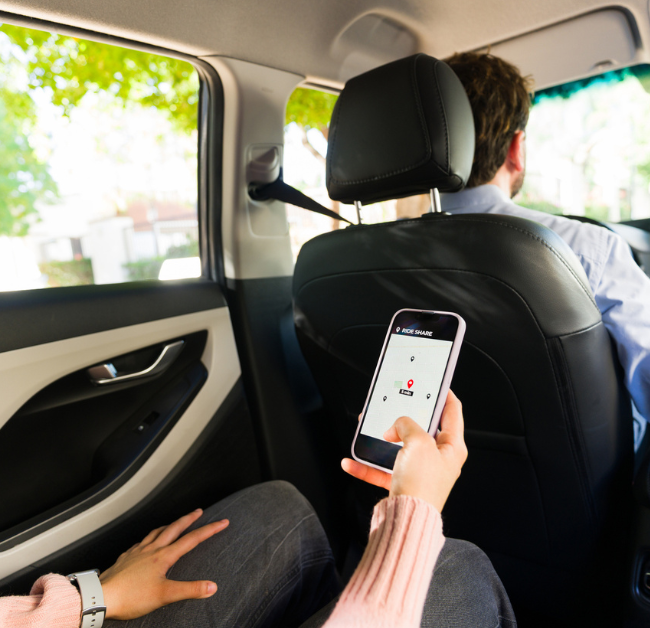
Uber and Lyft make it easy to get around Myrtle Beach and the rest of the Grand Strand, especially for visitors who do not want to drive while they are here. When a rideshare accident happens, though, figuring out who is responsible and which insurance applies can be more complicated than it is after an ordinary car crash.
You could have a claim after an Uber or Lyft accident, but that does not automatically mean suing Uber or Lyft directly. The rideshare driver’s actions, another driver’s conduct, the driver’s app status, and the available insurance all matter. South Carolina also has specific rules for rideshare companies, which the law calls transportation network companies, or TNCs.
Who Can Be Responsible for a Rideshare Accident?
A rideshare accident can involve several possible sources of responsibility. If the Uber or Lyft driver caused the crash by speeding, running a red light, driving while distracted, or making another careless decision, the driver’s negligence could support an injury claim. If another motorist caused the collision, that driver could be the main person responsible.
In some cases, the rideshare company itself could also become relevant, but that depends on the facts. Uber or Lyft is not automatically liable every time one of its drivers crashes. A lawyer has to look at who caused the accident, what the driver was doing at the time, and whether there is any separate conduct by the company that matters.
Why Does the Driver’s App Status Matter?
The driver’s app status matters because South Carolina requires different levels of rideshare insurance depending on what the driver was doing at the time of the crash.
If the driver was not logged into the Uber or Lyft app, the special rideshare insurance rules generally do not apply. If the driver was logged in and waiting for a ride request, South Carolina requires primary liability coverage of at least $50,000 for bodily injury to one person, $100,000 for bodily injury in one accident, and $50,000 for property damage.
Once the driver accepts a ride, the required coverage increases. South Carolina requires at least $1 million in primary liability insurance while the driver is headed to pick up the passenger and while the passenger is in the vehicle. That coverage continues until the last passenger exits.
Because the coverage changes with the driver’s status, one of the first questions after a rideshare crash is whether the driver was offline, waiting for a request, on the way to a pickup, or carrying a passenger.
What If I Was a Passenger in the Uber or Lyft?
If you were riding in an Uber or Lyft when the crash happened, you could have a claim whether the rideshare driver caused the accident or another driver did. The important questions are who was at fault, what injuries you suffered, and which insurance applies based on the facts.
Passengers often have less information than the drivers because they did not see everything leading up to the collision. If you can, save your ride receipt, screenshots from the app, the driver’s name, vehicle information, pickup and destination details, and any messages connected to the trip. Those records can help show that you were on an active rideshare trip when the accident happened.
What If an Uber or Lyft Driver Hit My Car?
You do not have to be a rideshare passenger for these rules to matter. If an Uber or Lyft driver hits your vehicle, the driver’s app status can still affect how the claim is handled.
A driver might tell police that they were working for Uber or Lyft, but that alone does not answer whether they were waiting for a ride, headed to a passenger, or already carrying someone. South Carolina law requires rideshare drivers to disclose whether they were logged into the app or providing a prearranged ride when an accident occurs. The rideshare company and the insurers can also exchange relevant app-status information during a coverage investigation.
That information can help establish which policy applies without forcing the injured person to guess what the driver was doing.
Does the Driver’s Personal Car Insurance Always Cover the Accident?
Not necessarily. Personal auto policies can exclude coverage for accidents that happen while a driver is logged into a rideshare app or providing a ride.
That means the insurance card a driver hands you at the scene might not tell the whole story. A separate rideshare policy could apply instead, which is another reason the driver’s app status needs to be confirmed before anyone assumes which insurer should handle the claim.
What Should I Do After a Rideshare Accident?
Treat a rideshare accident like any other serious car crash, but make sure you save the digital evidence too. Call law enforcement, get medical care when needed, take photographs of the scene and vehicles if it is safe to do so, and collect contact information from drivers and witnesses.
If you were using Uber or Lyft, keep your trip receipt and take screenshots of the ride details. Save the driver’s name, license plate, pickup and destination information, and any messages about the trip. If a rideshare driver hit you while you were in another vehicle, tell the investigating officer if you know the driver appeared to be working through an app.
It is also wise to avoid guessing when insurance adjusters begin asking questions. Give accurate information based on what you know, but do not speculate about fault, injuries, or details you did not see.
What Damages Can I Recover After a Rideshare Accident?
The damages in a rideshare case depend on the injuries and losses caused by the crash. A claim could include medical expenses, lost wages, reduced future earning ability, pain and suffering, property damage, and future medical needs when the evidence supports those losses.
South Carolina also uses comparative negligence rules, so a person’s own share of fault can affect the amount they recover. The fact that Uber or Lyft was involved does not create an automatic settlement amount because every claim still depends on the evidence, the injuries, and the people or companies responsible.
How Long Do I Have to File a Rideshare Accident Claim?
South Carolina generally gives someone three years to bring many personal injury claims, but that does not mean it is wise to wait. Important evidence can disappear long before the filing deadline arrives.
Rideshare cases can involve app records, trip information, surveillance video, witness memories, photographs, and vehicle evidence. Getting legal advice early can help identify which records matter and what steps should be taken to preserve them.
Rideshare Accidents Can Be More Complicated Than Ordinary Crashes
Uber and Lyft accidents can look like regular car crashes at first, but the involvement of a rideshare app adds another layer. The biggest questions are usually who caused the crash, what the driver was doing in the app at that moment, and which coverage applies.
If you have been hurt in a rideshare accident in Myrtle Beach or elsewhere in South Carolina, Winslow Law can review what happened and help you understand which people, companies, and insurance policies could be involved. That can be especially helpful when several parties are pointing at one another and the path forward is not clear.
If you’d like a no-obligation consultation with a local community lawyer, contact Winslow Law to discuss the specific facts of your Uber or Lyft accident. This article provides general legal information, not legal advice, and does not create an attorney-client relationship because every accident and insurance policy is different.
Winslow Law—Committed counselors for our clients and community.
FAQs
1. Can I Sue Uber or Lyft if Their Driver Caused My Accident?
You could have a claim after an accident caused by an Uber or Lyft driver, but that does not automatically mean the rideshare company itself is legally responsible. The driver’s negligence, app status, and any separate conduct by the company all need to be reviewed before deciding who should be part of the claim.
2. How Much Insurance Does an Uber or Lyft Driver Have in South Carolina?
The amount depends on what the driver was doing. South Carolina requires one level of coverage while a driver is logged in and waiting for a ride and a higher level once the driver accepts a passenger request. The driver’s app status at the time of the crash is therefore one of the most important facts to confirm.
3. What Should I Save After an Uber or Lyft Accident?
Keep your ride receipt, screenshots from the app, the driver’s information, photographs, medical records, police report information, witness contacts, and any messages connected to the trip. Those records can help show when the ride occurred, what the driver was doing, and what happened after the collision.