

How Do Personal Injury Settlements Work in South Carolina?
September 21, 2026
Can I Sue Uber or Lyft After a Rideshare Accident in South Carolina?
September 24, 2026What Happens If Someone I Love Dies in an Accident in South Carolina?
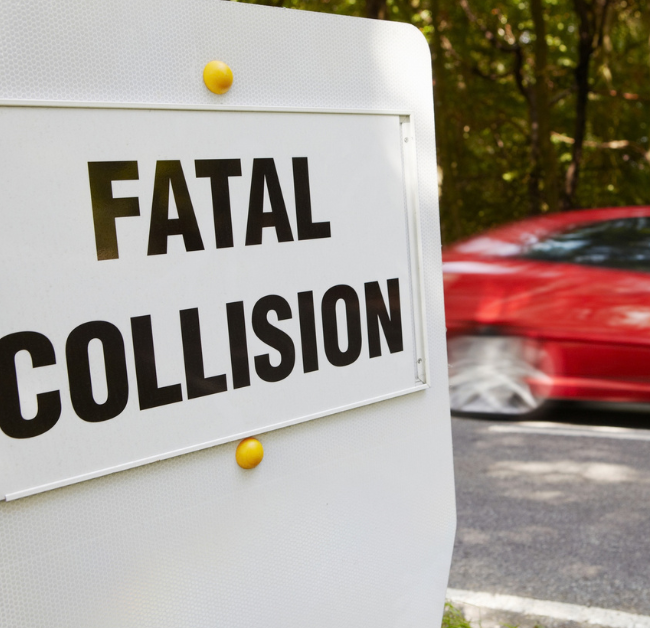
When someone you love dies because of an accident, legal questions are often the last thing you want to think about. Families are grieving, making funeral arrangements, handling bills, and trying to understand how life changed so quickly. At the same time, questions about insurance, lost income, medical expenses, and responsibility can start arriving almost immediately.
A wrongful death claim gives certain family members a way to seek compensation when another person’s wrongful or careless conduct causes a death. These cases can grow out of car crashes, pedestrian accidents, unsafe property conditions, medical malpractice, and other situations where the person who died could have brought a legal claim if they had survived. No amount of money replaces a person, but South Carolina law recognizes that a preventable death can cause serious emotional and financial losses for the family left behind.
What Is a Wrongful Death Claim in South Carolina?
South Carolina generally allows a wrongful death action when someone’s wrongful act, neglect, or default causes another person’s death and the person who died could have brought a claim if they had lived. In plain language, the case asks whether someone else’s legally wrongful conduct caused the death and what losses the surviving family suffered because of it.
That means a tragic death alone does not automatically create a wrongful death claim. There still needs to be a legal basis for holding another person, business, health care provider, or other party responsible. In a negligence case, that usually involves showing that the responsible party had a duty to act with reasonable care, failed to meet that duty, and caused the death.
Who Can File a Wrongful Death Claim?
South Carolina handles this differently from what many families expect. A spouse, child, or parent does not usually file the wrongful death lawsuit personally simply because that person will benefit from the claim. The action is brought by or in the name of the deceased person’s executor or administrator, often referred to more generally as the personal representative of the estate.
If no personal representative has been appointed yet, the family could need to address that through Probate Court before the wrongful death case moves forward. This creates an important connection between wrongful death law and estate administration, even when the main legal issue started with an accident rather than an estate dispute.
Who Receives Money From a Wrongful Death Claim?
South Carolina law sets an order for who benefits from a wrongful death claim. If the person who died left a spouse or children, the claim is for their benefit. If there is no surviving spouse or child, the parents can benefit. If there are no surviving parents, the recovery can pass to the person’s heirs.
The distribution does not simply follow whatever the deceased person’s will says. South Carolina generally divides wrongful death proceeds among the statutory beneficiaries in the shares they would receive if the person had died without a will. That distinction can surprise families, especially when the estate plan divides other property in a different way.
Because family structures can be complicated, it is important to identify the correct beneficiaries early. Second marriages, children from prior relationships, estranged relatives, and other family circumstances can all affect who has a legal interest in the wrongful death recovery.
What Damages Can a Family Recover in a Wrongful Death Case?
Wrongful death damages focus on the losses suffered by the people who survive the person who died. South Carolina courts have recognized losses that can include lost financial support, grief and sorrow, mental suffering, loss of companionship, and the loss of the person’s guidance, experience, and presence in the family’s life. Reasonable funeral expenses can also be sought, although South Carolina law prevents the same funeral expense from being recovered twice through both a wrongful death claim and a survival action.
The value of those losses depends on the family and the facts. The death of a parent who supported young children financially and helped care for them every day creates different losses from the death of an adult child or retired spouse, but that does not make one relationship more important than another. The evidence needs to show how the death affected the actual beneficiaries rather than relying on a standard dollar amount.
South Carolina law can also allow punitive, sometimes called exemplary, damages when the conduct involved meets the higher legal standard for recklessness, willfulness, or malice. Those damages do not apply to every wrongful death case and require more than ordinary carelessness.
How Is a Wrongful Death Claim Different From a Survival Action?
Families sometimes hear the terms wrongful death claim and survival action used together, but they address different losses. A wrongful death action focuses on the harm the death caused to the surviving beneficiaries, while a survival action generally continues certain legal claims the deceased person could have pursued for injuries suffered before death.
For example, imagine someone suffers serious injuries in a crash, spends time in the hospital, and later dies from those injuries. A survival action could address losses tied to the person’s injuries before death, while the wrongful death action addresses the losses suffered by the surviving family because the person died.
Depending on the circumstances, both claims can exist in the same case. The distinction matters because the money can be treated differently, and South Carolina requires court approval of settlements involving wrongful death or survival actions.
What Types of Accidents Can Lead to a Wrongful Death Claim?
A wrongful death case can arise from many of the same events that lead to personal injury claims. Fatal car, truck, motorcycle, pedestrian, and rideshare crashes can lead to wrongful death claims when another person’s negligence caused the collision. Dangerous property conditions, workplace incidents involving a third party, defective products, and negligent medical care can also create potential claims when the legal requirements are met.
Here along the Grand Strand, these cases can involve residents or visitors. A fatal crash on Highway 17 or Highway 501, an accident involving a tourist staying in Myrtle Beach, or a death connected to another serious incident in South Carolina can raise questions about which law applies, what insurance exists, and who should investigate the claim.
The type of accident can also change the legal process. Medical malpractice cases have additional requirements, claims involving government entities follow different rules, and workplace deaths can involve workers’ compensation along with a possible third-party claim. That is why the circumstances surrounding the death matter from the beginning.
What Evidence Matters in a Wrongful Death Case?
A wrongful death case still requires proof of what happened, so preserving evidence early can make an important difference. Depending on the situation, that evidence could include police or incident reports, photographs, video, witness statements, medical records, vehicle data, employment and income records, insurance information, and records showing the family’s financial losses.
Some evidence can disappear quickly. Businesses can record over surveillance footage, damaged vehicles can be repaired or destroyed, and witnesses can forget details over time. Families should not feel that they need to investigate a tragic event on their own while they are grieving, but getting help early can make it easier to identify and preserve information that could matter later.
How Long Do I Have to File a Wrongful Death Claim in South Carolina?
South Carolina generally provides a three-year filing period for wrongful death actions under its Wrongful Death Act, and that period begins on the date of death. However, families should not assume that every death-related claim follows one simple three-year rule because other laws can change the process or create different deadlines.
Claims involving a South Carolina government entity, for example, can have shorter time limits and special procedures. Medical malpractice cases also have their own timing rules and pre-suit requirements. The safest approach is to have the specific circumstances reviewed rather than counting forward three years and assuming there is plenty of time.
Waiting can also hurt a case even when the filing deadline has not arrived. Evidence can disappear, witnesses can become harder to locate, and important insurance or estate issues can become more difficult to sort out as time passes.
Does a Wrongful Death Settlement Need Court Approval?
Yes. South Carolina requires court approval of settlements involving wrongful death and survival claims, and only a properly appointed personal representative has authority to settle those claims.
The court reviews the proposed settlement and information about the beneficiaries, available insurance, attorney’s fees and costs, and other relevant matters before approving or rejecting the agreement. This added step helps protect the people who have a legal interest in the recovery and makes a wrongful death settlement different from many ordinary personal injury settlements.
A Wrongful Death Case Is About the Family Left Behind
There is no legal process that can undo the death of someone you love, and I do not believe families should hear promises about what a lawsuit can somehow make right. What the law can do is provide a way to hold a legally responsible party accountable and address some of the financial and personal losses the family now faces.
If your family is dealing with a wrongful death after a car accident, medical mistake, unsafe property condition, or another incident in Myrtle Beach or elsewhere in South Carolina, Winslow Law can review what happened and help you understand who has the right to bring a claim, who could benefit, and what legal options are available.
If you’d like a no-obligation consultation with a local community lawyer, contact Winslow Law to discuss your family’s circumstances. This article provides general legal information, not legal advice, and does not create an attorney-client relationship because every wrongful death case is different.
Winslow Law—Committed counselors for our clients and community.
FAQs
1. Who Can File a Wrongful Death Claim in South Carolina?
The deceased person’s executor or administrator generally brings the wrongful death action on behalf of the people South Carolina law identifies as beneficiaries. Those beneficiaries are generally the surviving spouse and children first, then the parents if there is no spouse or child, and then the person’s heirs if no parent survives.
2. How Long Do You Have to File a Wrongful Death Claim in South Carolina?
South Carolina generally gives wrongful death actions a three-year filing period that begins on the date of death. However, other rules can apply depending on the type of case, including claims involving government entities or medical malpractice, so families should get case-specific advice rather than assume the general deadline controls every situation.
3. What Is the Difference Between Wrongful Death and a Survival Claim?
A wrongful death claim focuses on losses suffered by the surviving family because their loved one died. A survival action generally continues certain claims the deceased person had because of injuries suffered before death. Both claims can sometimes arise from the same event, but they cover different types of losses and can distribute recovery differently.