
Can Social Media Be Used Against Me in a South Carolina Custody Case?
November 3, 2026What Happens If I Am Hit by a Drunk Driver in South Carolina?
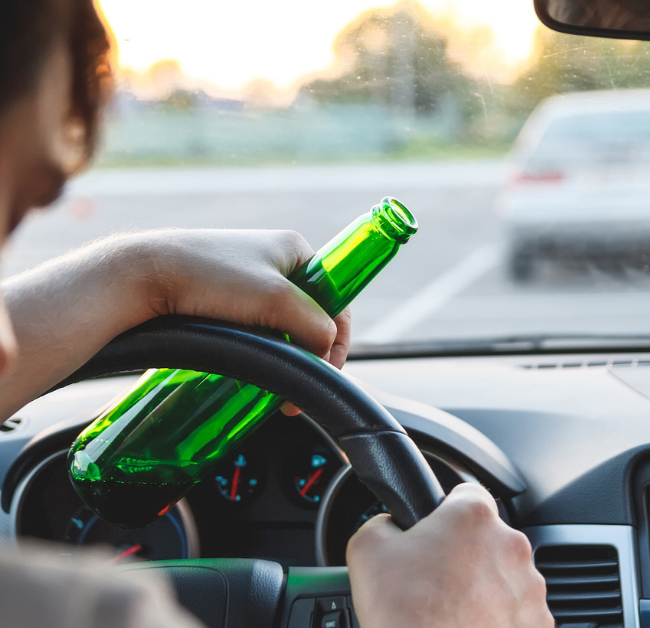
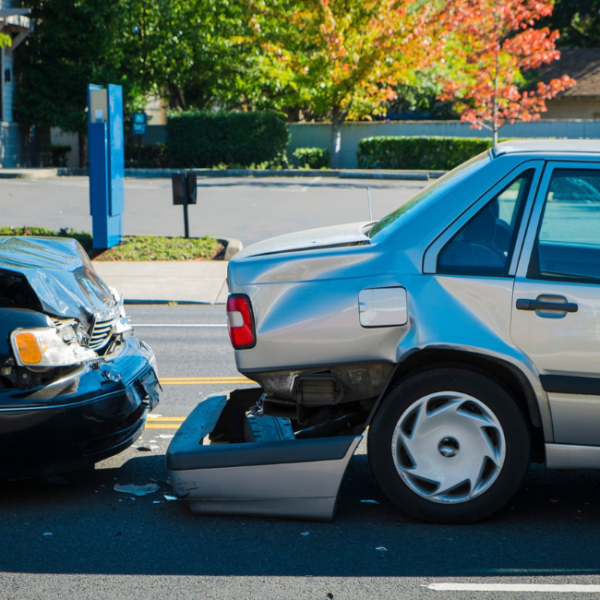
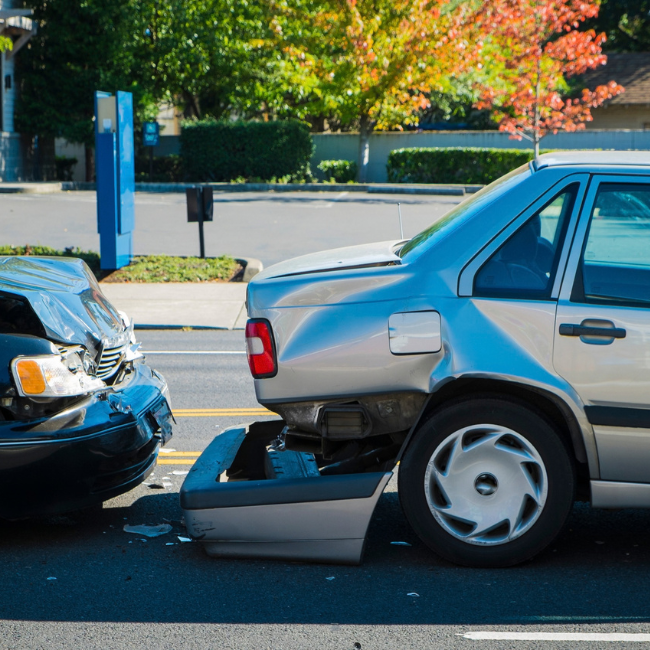
The holidays bring some of the busiest travel days of the year. Families gather for Thanksgiving, friends celebrate Christmas and people head out to welcome the new year. Unfortunately, those celebrations can also bring impaired drivers onto our roads. Whether you’re traveling along Highway 17, driving home from dinner or heading out of town to visit family, an encounter with a drunk driver can change your life in seconds.
If you’ve suffered injuries in a drunk driving accident South Carolina law gives you the right to seek compensation when another person’s negligence caused the crash. But many people don’t understand how that process works, especially when police arrest the other driver for DUI. Does the criminal case take care of everything? Do you have to wait for a conviction? What happens if the prosecutor drops the charges? These questions matter because the criminal case and your personal injury claim serve two very different purposes.
What Happens After a Drunk Driver Causes an Accident in South Carolina?
When police suspect that alcohol or drugs contributed to a crash, they investigate whether the driver violated South Carolina’s DUI laws. Officers might conduct sobriety tests, request breath or blood testing, interview witnesses and document the crash scene. Depending on the circumstances, the driver could face criminal charges, especially when the accident causes serious injuries or a death.
For the injured person, however, the most urgent concerns often have little to do with criminal charges. You might need emergency medical care, miss weeks of work or struggle with injuries that affect everyday activities. Hospital bills can arrive long before the criminal case reaches a courtroom. That’s why it’s important to understand that an arrest doesn’t automatically provide compensation for your injuries, and you don’t have to rely on the criminal justice system to address your financial losses.
What’s the Difference Between a DUI Criminal Case and a Personal Injury Claim?
A DUI criminal case and a personal injury claim involve different legal processes, even when they stem from the same accident. In the criminal case, the State of South Carolina prosecutes the driver for allegedly breaking the law. If the court finds the driver guilty, penalties could include fines, license suspension, jail time and other consequences based on the offense. That process focuses on criminal responsibility rather than paying the injured person’s medical expenses or other losses.
A civil personal injury claim focuses on the harm the driver caused you. Through that process, you can seek compensation for qualifying medical expenses, lost income, pain and suffering and other damages. The civil case requires proof that the driver acted negligently or otherwise caused legally recognized harm. It doesn’t exist to punish someone for a criminal offense, although certain civil cases can also involve punitive damages when the facts and South Carolina law support them. Understanding this difference helps explain why an injured person might have a valid claim even while prosecutors are still working on the DUI case.
Do I Have to Wait for the DUI Case to Finish Before Filing an Injury Claim?
No. You generally don’t have to wait for prosecutors to finish a criminal DUI case before pursuing your civil options. The two cases can move forward on separate schedules, and waiting for a criminal verdict could create problems with gathering evidence, communicating with insurance companies and protecting your filing deadline.
Some criminal cases take months or longer to resolve, while medical bills and other expenses continue to grow. An attorney can begin reviewing accident evidence, identifying possible insurance coverage and explaining your legal options while the criminal case remains open. However, a pending criminal investigation can affect when certain records become available, so the timing of each step requires attention. The important point is that your right to explore a personal injury claim doesn’t depend on prosecutors finishing their case first.
Does a DUI Conviction Automatically Win My Personal Injury Case?
No. A DUI conviction can provide important evidence, but it doesn’t automatically establish every part of a civil injury claim. You still need to show how the driver’s actions caused the accident and how the crash caused your injuries and losses. For example, a driver might face a DUI charge after an accident, but investigators still need to determine what happened before the collision and whether other factors contributed to it.
The opposite is also true. If prosecutors dismiss the DUI charge or a jury finds the driver not guilty, you could still have a valid personal injury claim. Criminal cases require proof beyond a reasonable doubt, while civil negligence claims generally use a lower standard of proof. The rules also determine whether a court can consider evidence from a criminal case in a civil lawsuit. An attorney can explain how the criminal proceedings affect your particular claim without assuming that either outcome settles the question of responsibility.
What Evidence Matters After a Drunk Driving Accident in South Carolina?
Strong evidence helps establish what happened and how the accident affected your life. Police reports, witness statements, photographs, traffic camera footage and vehicle damage can all help explain the circumstances of a crash. Breath or blood test results, officer observations and other records from a DUI investigation could provide further information about the driver’s condition. Whether a court can use specific evidence depends on the rules and circumstances of the case.
Medical evidence matters just as much. Emergency room records, doctors’ notes, treatment plans and medical bills help document your injuries and recovery. Pay records can show lost income, while photographs and personal notes can help explain how an injury has changed your daily routine. I always encourage people to keep these records together because the details that seem small in the first few days can become important later. You shouldn’t assume that the police investigation will collect everything you need for your injury claim.
Can I Recover Compensation for Injuries Caused by a Drunk Driver?
If a drunk driver’s negligence caused your injuries, you could pursue compensation for medical expenses, lost wages, future treatment needs and other qualifying losses. Serious injuries sometimes create long-term problems that don’t become clear during the first hospital visit. A person who suffers a head injury, for example, might need ongoing care or struggle to return to work. South Carolina law also allows injured people to seek compensation for certain nonfinancial losses, including physical pain and the ways an injury affects their lives.
Some drunk driving cases can also involve punitive damages. Unlike compensation for medical bills and other losses, punitive damages address particularly serious misconduct. South Carolina requires clear and convincing evidence of willful, wanton or reckless conduct before a court can award them. The law also includes special rules for cases involving substantial impairment from alcohol or drugs. These damages aren’t automatic, and no attorney can promise a particular result. The facts and evidence determine whether a claim supports them.
What Should I Do After an Accident Involving a Drunk Driver?
Your first priority should always be your safety and medical care. Call 911, seek emergency help when necessary and follow your doctor’s treatment instructions. Even if you feel well enough to leave the scene, some injuries can become more noticeable over the following hours or days. Getting medical attention helps protect your health and creates a record of your condition after the crash.
If you can do so safely, photograph the accident scene, gather witness contact information and keep the details of the responding law enforcement agency. Don’t confront the suspected impaired driver or try to conduct your own investigation. Let officers handle that responsibility. Keep copies of medical bills, insurance letters and other documents, and use caution before signing a final settlement agreement. Most South Carolina personal injury lawsuits have a three-year filing deadline, but exceptions and shorter deadlines can apply. Early legal guidance can help you understand your options while evidence remains available.
Your Recovery Matters, Even While the Criminal Case Continues
A drunk driving accident can leave families facing physical pain, financial stress and questions they never expected to ask. During the holidays, the experience can feel especially difficult when a family gathering or a simple trip home turns into a medical emergency. While the criminal justice system handles DUI charges, you still have your own health, finances and future to think about.
At Winslow Law, we believe people deserve clear answers and thoughtful legal guidance during difficult times. If you’ve suffered injuries in a drunk driving accident South Carolina law provides options worth understanding, and you don’t have to wait for a criminal conviction to ask about them. Contact Winslow Law to schedule a consultation so we can discuss what happened, review your questions and help you understand your next steps. Winslow Law serves people across the Grand Strand and in the Midlands.
Winslow Law—Committed counselors for our clients and community.
FAQs
1. Can I sue a drunk driver if the police never arrested them for DUI?
Yes. You could pursue a personal injury claim even if police never arrested or charged the driver with DUI. A civil claim focuses on whether another person’s negligence caused your injuries, not whether prosecutors filed criminal charges. Witness statements, photographs, medical records and other evidence can help establish responsibility. An attorney can review the circumstances and explain whether the available evidence supports a claim.
2. Does a DUI conviction automatically prove the driver owes me compensation?
No. A DUI conviction doesn’t automatically establish every element of a personal injury claim. You still need evidence connecting the driver’s conduct to the accident and your injuries. A conviction could help support certain facts, but South Carolina’s evidence rules determine how courts can use criminal records in civil cases. Your attorney can explain what the conviction means for your claim and what additional proof you might need.
3. How long do I have to file a personal injury lawsuit after a drunk driving accident in South Carolina?
Most South Carolina personal injury lawsuits have a three-year filing deadline, generally starting on the date of the accident. However, certain circumstances can change that deadline, particularly when a claim involves a government entity or another special legal requirement. You shouldn’t assume that an ongoing criminal DUI case extends your time to file a civil lawsuit. Speaking with an attorney early can help you identify the correct deadline and protect your legal options.