What Happens If the Driver Who Hit Me Has No Insurance?
September 28, 2026
What Happens If You Inherit a Manufactured Home That Was Never Titled in South Carolina?
October 29, 2026What Should I Do If a Delivery Driver Hits Me in South Carolina?
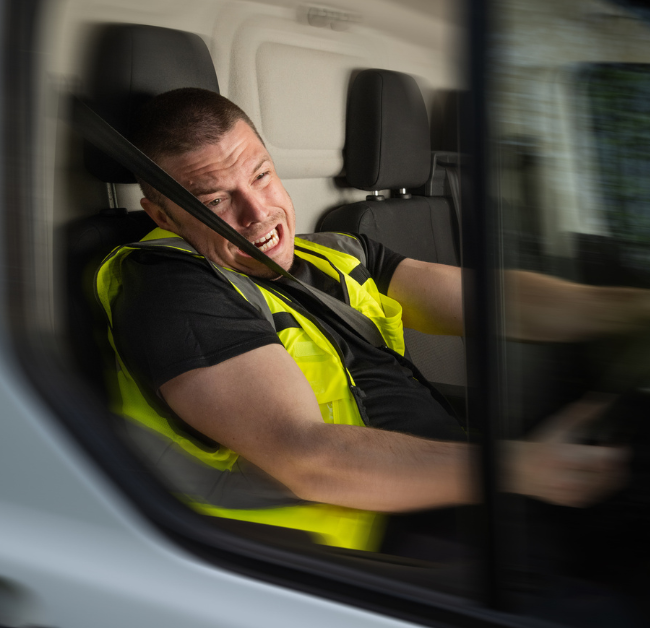
The holidays bring plenty of activity to our roads. Families travel for Thanksgiving, shoppers head to the stores and delivery trucks seem to appear on every street. From Amazon vans and UPS trucks to restaurant delivery drivers and local business vehicles, there’s no shortage of people working to get packages and orders where they need to go. Here along the Grand Strand, all that extra delivery traffic adds to roads that already stay busy throughout much of the year.
Most deliveries happen without a problem, but accidents can occur when drivers face tight schedules, unfamiliar neighborhoods or heavy traffic. If a delivery driver hits your car, you might discover that figuring out who should pay for your injuries isn’t as simple as exchanging insurance information. A delivery driver accident South Carolina injury claim can involve the driver, the company that hired them, the vehicle’s owner or several insurance policies. Understanding those relationships can make a real difference in how you approach your claim.
Why Are Delivery Driver Accidents More Common During Busy Seasons?
The weeks between Thanksgiving and New Year’s bring a sharp increase in package deliveries, grocery orders and holiday shopping trips. Delivery drivers often make numerous stops throughout the day, sometimes in neighborhoods they don’t know well. They may need to navigate crowded parking lots, narrow residential streets and heavy traffic while keeping track of addresses and delivery instructions.
That kind of work can create distractions and opportunities for mistakes. A driver might look at a navigation screen instead of the road, back out of a driveway without seeing an approaching car or stop suddenly after passing a delivery address. Long hours and demanding schedules can also contribute to fatigue. Of course, working as a delivery driver doesn’t automatically make someone negligent, but the circumstances surrounding the job can help explain how an accident happened. These risks aren’t limited to the holidays, either. Food delivery, grocery services and commercial deliveries keep drivers on South Carolina roads throughout the year.
Who Is Responsible When a Delivery Driver Causes an Accident?
The first question in any delivery vehicle accident is whether the driver acted negligently. Speeding, distracted driving, following too closely, failing to yield or making an unsafe turn can all contribute to a crash. South Carolina law generally allows an injured person to pursue compensation when another driver’s negligence causes harm.
However, determining responsibility becomes more complicated when the driver was working. A person delivering packages might work directly for a major company, drive for a separate delivery contractor or operate as an independent business owner. The vehicle might belong to the driver, a delivery company or another business entirely. Those details matter because South Carolina law treats employees and independent contractors differently when determining whether a business shares legal responsibility.
A police report can help identify the driver and vehicle, but it won’t necessarily establish every business relationship involved. That often requires examining employment records, delivery assignments, vehicle ownership and other information connected to the driver’s work.
Can the Delivery Company Be Responsible for the Accident?
Yes. Under South Carolina law, a company can be responsible for an employee’s negligent driving when the employee causes an accident while acting within the scope of their job. Lawyers call this principle respondeat superior, but the idea is straightforward. If someone causes harm while carrying out work for an employer, the employer can share legal responsibility under the right circumstances.
For example, imagine a driver working for a local delivery company runs a red light while taking packages to customers. If the driver was performing regular job duties, the company could face liability along with the driver. But the answer could change if the driver was using the vehicle for an unrelated personal trip. Courts look at what the driver was doing, the relationship with the business and whether the activity fell within the scope of employment.
A company could also face claims involving its own conduct, such as negligent hiring, training or supervision, when the evidence supports those allegations. The fact that a company has a familiar name on its delivery van doesn’t automatically establish liability. The circumstances still need careful review.
What If the Delivery Driver Works as an Independent Contractor?
This is where many delivery accident claims become more complicated. Some companies use employees to make deliveries, while others hire independent contractors or work with separate delivery businesses. A driver might wear a company uniform or operate a van with a recognizable logo without working directly for that company.
South Carolina generally treats independent contractors differently from employees. A business that hires an independent contractor doesn’t automatically become responsible for every mistake the contractor makes. However, that doesn’t mean the company can never face liability. Depending on the facts, a business could face a claim involving its own negligence in selecting an unqualified contractor or another recognized legal duty.
The South Carolina Supreme Court addressed this issue in a case involving a trucking contractor and confirmed that a business can face liability when its own negligent selection of an independent contractor causes harm. That distinction matters for delivery accidents because identifying who hired the driver, who controlled the work and what each company knew can affect the claim.
Does It Matter Who Owns the Delivery Vehicle?
Yes, although vehicle ownership doesn’t automatically determine who caused the accident or who must pay. A delivery driver might use a personal car, a company-owned truck or a vehicle leased through another business. Each arrangement can raise different questions about responsibility and insurance coverage.
For example, a driver delivering restaurant orders in a personal vehicle might have a different insurance arrangement than an employee operating a company-owned delivery truck. A large delivery vehicle could also carry commercial insurance that differs from an ordinary personal auto policy. The vehicle’s registration, insurance documents and business records can help identify which policies might apply.
It’s important not to assume that the name on the truck tells the whole story. An attorney can review the available information to help determine which people, businesses and insurance companies belong in the investigation.
What Insurance Covers a Delivery Driver Accident in South Carolina?
Insurance can become one of the biggest questions after a delivery vehicle crash. Commercial auto policies, personal auto policies and other business coverage might all come into play, depending on the driver’s work arrangement and the circumstances of the accident. A personal policy might contain exclusions for certain business activities, while a company’s commercial policy might cover specific drivers, vehicles or delivery operations.
These differences matter when an accident causes serious injuries. Medical bills, lost income and future treatment costs can quickly exceed the coverage available under a basic auto policy. Some delivery accidents involve several injured people, which can create additional questions about policy limits. Before accepting an insurance company’s explanation about available coverage, it’s worth having someone review the relevant policies and identify whether other coverage could apply.
What Should I Do Immediately After a Delivery Truck Accident?
Your health comes first. If you or someone else suffers an injury, call 911 and seek medical care. Some injuries, including concussions and neck or back injuries, can become more noticeable after the initial shock wears off. Getting prompt medical attention helps identify problems and creates a record of your condition following the crash.
If you can safely remain at the scene, take photographs of the vehicles, damage, license plates, company logos and surrounding road conditions. Get the driver’s name, contact information and insurance details, along with the name of the company they claim to work for. If witnesses saw the collision, ask for their contact information. These details can become important when more than one company has a connection to the delivery vehicle.
Keep your medical records, bills, repair estimates and insurance communications together. Be cautious about accepting a quick settlement before you understand the full extent of your injuries. A final agreement could prevent you from seeking further compensation if you discover additional medical needs later.
How Can I Find Out Which Company the Driver Worked For?
Sometimes the answer seems obvious because the driver wears a uniform or operates a vehicle with a familiar company logo. However, the name you recognize might belong to a business that contracts with another company to handle deliveries. That can make it difficult to identify the driver’s actual employer or determine which business controlled the work.
Delivery records, employment agreements, vehicle registrations and insurance information can help answer those questions. Electronic records might also show whether the driver was making a delivery, traveling between stops or handling a personal errand when the collision occurred. Some of this information can become harder to obtain as time passes, so preserving evidence matters. An attorney can help investigate these relationships and determine which parties might share responsibility.
Don’t Let a Complicated Delivery Accident Leave You With Unanswered Questions
When a delivery driver causes an accident, the biggest challenge isn’t always proving that a collision happened. Sometimes it’s figuring out who was responsible for the driver, which insurance applies and whether more than one company played a role. I’ve always believed that people deserve clear answers before making decisions that affect their health and financial future.
If you’ve suffered injuries in a delivery driver accident South Carolina law gives you options worth understanding. At Winslow Law, we can review the circumstances, help identify the people and businesses involved and explain what steps make sense for your situation. Contact us to schedule a consultation so we can talk about your concerns and help you understand your rights. Winslow Law serves people across the Grand Strand and in the Midlands.
Winslow Law—Committed counselors for our clients and community.
FAQs
1. Can I sue Amazon, UPS or FedEx if one of their delivery drivers hits me?
Possibly. Whether you can pursue a claim against a delivery company depends on the driver’s relationship with that business, what the driver was doing when the accident occurred and whether the company bears legal responsibility. Some drivers work as employees, while others work for separate contractors. The name on the delivery vehicle doesn’t automatically establish who must pay for your injuries. An attorney can investigate the business relationships and determine which parties might face a claim.
2. What if a food delivery driver hits me while using their personal car?
You could have a personal injury claim if the driver acted negligently and caused your injuries. However, determining insurance coverage can become complicated when someone uses a personal vehicle for business deliveries. The driver’s personal auto policy, commercial coverage or a policy connected to the delivery service might apply, depending on the circumstances and policy terms. Reviewing the driver’s work status and available insurance can help determine how to pursue compensation.
3. How long do I have to file a lawsuit after a delivery driver accident in South Carolina?
Most South Carolina personal injury lawsuits have a three-year filing deadline, generally starting on the date of the accident. However, some circumstances can involve shorter deadlines or additional legal requirements, particularly when government entities are involved. You shouldn’t wait until the deadline approaches to investigate a delivery vehicle accident because employment records, electronic delivery information and witness memories can become harder to obtain over time. Seeking legal guidance early can help protect your options.