

Who Is Liable for a Swimming Pool Injury at a Vacation Rental?
July 22, 2026
Can I Sue After an Injury at a Water Park or Amusement Attraction?
July 24, 2026What Should I Do After a Construction Zone Accident?
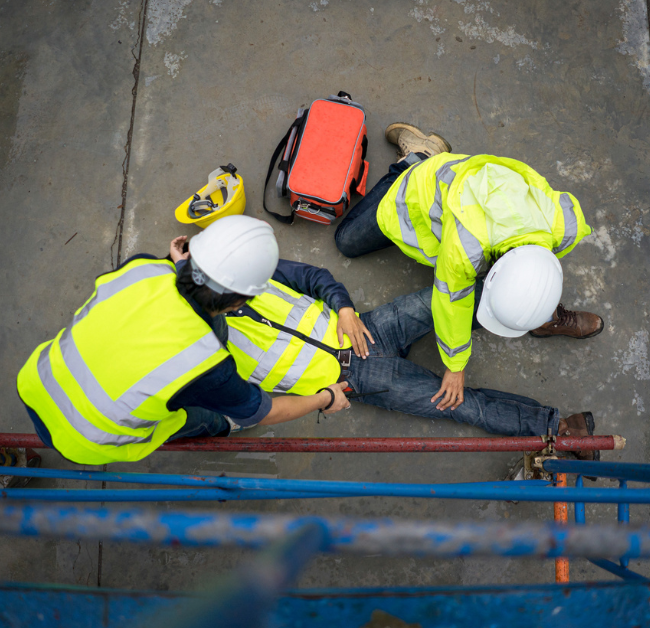
A construction zone can change a familiar road without much warning. Lanes narrow, traffic shifts, signs compete for attention, and heavy equipment could sit close to moving vehicles. During the busy summer travel season, these conditions can become even harder to manage on crowded Myrtle Beach and Grand Strand roads. After a construction zone accident, the first priorities are safety, medical care, documentation, and a clear understanding of who could have caused the crash.
The short answer is simple. Call 911, move to a safe place if you can, seek medical attention, and preserve as much evidence as possible. Do not assume another driver carries all the blame. A contractor, road crew, equipment operator, property owner, or government agency could also play a role when poor signs, loose materials, unsafe lane changes, or bad road conditions contribute to the collision.
What Should I Do Immediately After a Construction Zone Accident?
Get out of immediate danger, call law enforcement, and request medical help. Work zones often leave drivers close to barriers, machinery, workers, and fast-moving traffic, so do not stand in an active lane or walk through the construction area to take photos.
Tell the responding officer what you saw, including missing signs, confusing lane markings, debris, poor lighting, equipment in the roadway, or a sudden traffic shift. Get medical care even if you think the injury feels minor. Adrenaline can hide neck, back, head, and soft tissue injuries for hours or days.
Who Is Liable for a Construction Zone Accident?
Liability depends on what caused the crash. Another driver might have followed too closely, sped through the work zone, ignored a flagger, or made an unsafe lane change. A construction company might have placed signs poorly, left materials in the roadway, created an unsafe drop-off, or failed to maintain a safe traffic pattern.
Several parties can share responsibility in the same case. The driver, contractor, subcontractor, equipment operator, property owner, or public agency might each control a different part of the situation. A careful investigation needs to look beyond the police report and determine who planned, installed, maintained, and supervised the work zone.
Can a Road Contractor Be Responsible for the Crash?
Yes, a road contractor could face responsibility when its unsafe work contributes to a collision. Contractors often handle traffic-control devices, lane closures, barriers, lighting, equipment placement, and roadway transitions. When they fail to follow the traffic-control plan or correct a known danger, their conduct can become part of an injury claim.
That does not mean every crash inside a work zone becomes the contractor’s fault. Drivers still have a duty to slow down, follow signs, watch for workers, and adjust to changing conditions. The evidence must show how the contractor’s conduct helped cause the accident.
What If Another Driver Caused the Accident?
A driver can still carry some or all of the responsibility. Common driver mistakes include speeding, distracted driving, tailgating, ignoring signs, and waiting too long to merge. Rear-end crashes often happen when traffic slows suddenly near a lane closure.
South Carolina law can allow an injured person to recover when another party carries more fault, although the injured person’s share of fault can reduce the recovery. That makes accurate evidence especially important when drivers, contractors, and insurers start blaming one another.
What Evidence Should I Collect After the Crash?
Collect photos, video, witness information, and details about the road conditions. Photograph the lane layout, warning signs, barrels, barriers, pavement markings, debris, lighting, construction equipment, and vehicle damage. Take wide photos that show the full traffic pattern as well as close photos of specific hazards.
Write down the time, weather, traffic level, and direction you were traveling. Save dashcam footage before the system records over it. Keep towing records, repair estimates, medical paperwork, and every communication with an insurer. Nearby businesses, traffic cameras, construction vehicles, or other drivers might also have useful video.
What Injuries Are Common in Construction Zone Crashes?
Construction zone crashes can cause head injuries, concussions, neck and back injuries, broken bones, internal injuries, and serious cuts. Sudden stops, narrow lanes, concrete barriers, large trucks, and uneven road surfaces can increase the force of a crash or trigger a rollover.
Some people also suffer a second injury after the first impact. A driver might strike construction equipment, hit a barrier, or get hurt while trying to leave a dangerous area. Prompt medical care helps protect your health and creates a clear record of how the injuries developed.
What If a Government Agency Controlled the Road?
Claims involving a state, county, city, or another public agency can follow different rules. A government entity might control the road, approve the traffic plan, or oversee the project. However, South Carolina law places special requirements and limits on claims involving public agencies.
These cases can also involve private contractors working for the government. That means the investigation must separate each party’s role instead of assuming the road owner carries all responsibility. Because government claims can involve different deadlines and procedures, waiting can create serious problems.
Who Pays for Injuries After a Construction Zone Crash?
Insurance coverage depends on who caused the crash. Another driver’s liability insurance might apply. A contractor or construction company could have commercial liability coverage. Your own uninsured or underinsured motorist coverage could also matter when the responsible driver lacks enough insurance.
Medical bills often arrive before liability becomes clear. Health insurance might pay some costs first, but that does not settle the final responsibility question. A valid claim can include medical expenses, lost income, pain and suffering, property damage, and future treatment when the evidence supports those losses.
How Long Do I Have to File a Claim in South Carolina?
Many South Carolina personal injury claims carry a three-year filing deadline, but claims involving government entities can follow different rules and shorter timelines. Do not treat any general deadline as permission to wait.
Work zones change quickly. Crews move signs, repair pavement, remove equipment, and open lanes. Video can disappear, witnesses can leave town, and records can become harder to find. Early investigation often gives a construction zone accident claim a stronger factual foundation.
Why Do Construction Zone Crashes Matter on the Grand Strand?
Construction activity increases during warmer months, and summer traffic puts more vehicles on coastal roads. Visitors might not know the route, local drivers could face new lane patterns, and everyone has less room for error when traffic backs up near hotels, attractions, and busy intersections.
A construction zone accident can involve more than a careless driver. Poor signs, unsafe lane shifts, loose materials, reduced visibility, equipment placement, and road defects can all affect responsibility. The best next step is to protect your health, preserve the evidence, and find out who controlled the dangerous condition.
If you’d like a no-obligation consultation with a local community lawyer who stays on top of the latest South Carolina law changes, contact Winslow Law today.
Winslow Law—Committed counselors for our clients and community.
FAQs
1. What Should I Do After a Construction Zone Accident?
Call 911, move to safety if possible, get medical care, and document the road conditions. Take photos of signs, lane markings, barriers, debris, equipment, and vehicle damage without putting yourself in danger.
2. Who Is Liable for a Construction Zone Accident?
Another driver, a contractor, a subcontractor, an equipment operator, a property owner, or a government agency could hold responsibility. The answer depends on who created or failed to correct the condition that caused the crash.
3. Can I Sue After a Construction Zone Accident?
Yes, you could bring a claim when another driver, contractor, property owner, or government entity caused the crash through careless conduct or an unsafe condition. The facts, evidence, insurance, and deadlines will shape the claim.