
What Should I Do After a Construction Zone Accident?
July 23, 2026
Can I Sue After an E-Bike or Electric Scooter Accident?
July 25, 2026Can I Sue After an Injury at a Water Park or Amusement Attraction?
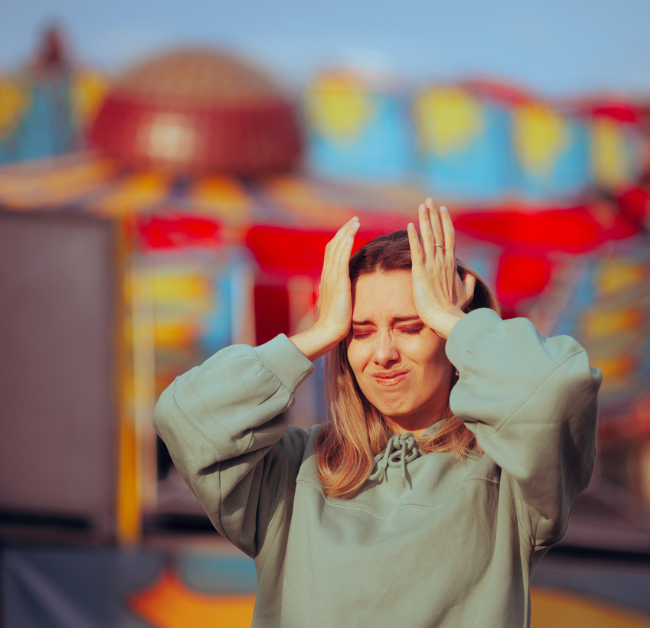
A family trip to a water park or amusement attraction should end with good memories, not an emergency room visit. Yet injuries happen on rides, water slides, walkways, stairs, and crowded grounds. In Myrtle Beach and across the Grand Strand, summer brings wet surfaces and heavy attraction use. An amusement park injury claim can become a legal issue when unsafe equipment, poor maintenance, inadequate warnings, careless operation, or another preventable danger causes someone harm.
The short answer is yes, you could have a claim if another person or business failed to use reasonable care. An injury at an attraction does not automatically prove fault, but it also does not mean you must accept it as part of the experience. The cause, property condition, and evidence all matter.
What Should I Do After an Injury at a Water Park or Amusement Attraction?
Get medical help, report the injury, and document the scene as soon as you can. Tell attraction staff what happened and ask them to create a written incident report. Give a clear description, but do not guess about details you did not see.
Photograph the area, ride, surface, warning signs, restraints, and visible hazards. Get witness contact information. Save tickets, wristbands, receipts, and signed forms. Staff can clean a wet floor, repair equipment, or change the scene soon after an accident.
Can I Sue After an Injury at an Amusement Park or Water Park?
Yes, you could bring a claim when negligence or a defective product caused the injury. A business that invites the public onto its property must take reasonable steps to keep guest areas safe. Ride owners and operators also have safety duties, although the exact rules can depend on the type of attraction.
South Carolina requires permits and annual inspections for regulated amusement devices. Operators must also carry liability insurance and report certain serious injuries. Not every recreational device falls under the same system, so the attraction type can shape the investigation.
When Does an Amusement Park Injury Claim Become a Legal Issue?
A claim becomes more serious when evidence shows that the danger was preventable. Examples could include a broken restraint, poor ride operation, a slippery walkway with no warning, damaged stairs, overcrowding, loose flooring, unsafe fencing, or poor lighting.
The key question is whether the attraction, property owner, operator, contractor, or manufacturer failed to act reasonably. A sudden medical event could lead to a different answer than an injury caused by a known hazard or equipment failure.
Who Could Be Liable for an Attraction Injury?
More than one party could share responsibility. The park or attraction owner might be liable for unsafe property conditions, poor staffing, or weak safety procedures. A ride operator could share responsibility for ignoring rules or operating equipment carelessly. A maintenance contractor could become involved if faulty work caused the problem. A manufacturer could face questions if defective equipment or an unsafe design contributed to the injury.
At temporary fairs or traveling attractions, several parties could have different roles, records, insurance policies, and responsibilities.
What If a Ride Malfunctioned or a Safety Restraint Failed?
A malfunction calls for a close look at maintenance, inspections, complaints, operator training, and the equipment. The problem could involve a defective part, incorrect setup, operator error, or several issues together.
Preserve clothing, photos, witness information, and medical records. An amusement park injury claim involving equipment can depend on records that the injured person cannot access alone, such as inspection reports, maintenance logs, video footage, and employee training documents.
Can I Still File a Claim If I Signed a Waiver?
Possibly. A waiver does not always end the discussion. The wording, the circumstances, the age of the injured person, and the conduct that caused the injury can all matter. A waiver might address ordinary risks connected to an activity, but it does not automatically protect a business from every form of negligence.
Keep a copy of whatever you signed or accepted. A ticket disclaimer, online agreement, or posted sign should be reviewed in light of what actually happened.
What Happens If a Child Is Injured at an Attraction?
A child’s injury deserves immediate medical care and careful documentation. Children can suffer head injuries, broken bones, cuts, burns, drowning injuries, and emotional trauma at water parks and amusement attractions. Their smaller size and limited ability to recognize danger can also affect safety decisions.
Parents should report the accident, photograph the scene, save records, and avoid detailed social media posts. Claims involving minors can follow different timing rules, so families should not rely only on the general adult deadline.
Who Pays the Medical Bills After an Amusement Park Injury?
Health insurance might pay some bills first, but that does not necessarily decide who is legally responsible. If negligence caused the injury, the responsible party or its liability insurer could become part of a claim for medical costs, lost income, pain and suffering, scarring, future care, and other supported losses.
Be careful about giving a recorded statement or accepting quick payment before the full injury and coverage picture is clear.
How Do I Prove the Attraction Was Negligent?
Strong evidence can show what went wrong and who had a chance to prevent it. Useful evidence can include photos, video, witness accounts, incident reports, medical records, inspection documents, maintenance logs, prior complaints, and surveillance footage.
The business often controls much of that information. Video can get overwritten, temporary attractions can leave town, and conditions can disappear. A prompt investigation helps preserve the facts.
How Long Do I Have to File a Claim in South Carolina?
Many South Carolina personal injury claims have a three-year filing deadline, but the exact time can depend on the parties and circumstances. Claims involving a government entity, a minor, or another special situation can follow different rules.
Do not treat three years as a reason to wait. A deadline protects the right to file, but it does not preserve evidence. Early action can make it easier to identify the responsible parties and understand the claim.
Why Do Summer Attraction Injuries Matter on the Grand Strand?
Myrtle Beach and the Grand Strand welcome families to water parks, rides, go-kart tracks, arcades, and other attractions throughout summer. Heavy use can strain equipment, walkways, staff, and safety systems. Businesses still need to inspect property, train employees, respond to hazards, and follow applicable rules.
An amusement park injury claim deserves careful attention when a preventable danger turns a family outing into a serious medical problem. Clear evidence, prompt treatment, and a careful review of the facts can help an injured person understand whether the accident was unavoidable or whether someone failed to keep guests reasonably safe.
If you’d like a no-obligation consultation with a local community lawyer who stays on top of the latest South Carolina law changes, contact Winslow Law today.
Winslow Law—Committed counselors for our clients and community.
FAQs
1. Can I Sue After an Injury at a Water Park or Amusement Attraction?
Yes, you could bring a claim if unsafe property conditions, careless operation, poor maintenance, or defective equipment caused the injury. The facts and evidence determine whether another party has legal responsibility.
2. What Should I Do After an Amusement Park Injury?
Get medical care, report the incident, request a written report, take photos, gather witness information, and save tickets and other records. Avoid guessing about fault or signing additional documents before you understand them.
3. Who Is Liable for an Injury at an Amusement Park?
The park owner, ride operator, maintenance company, property owner, equipment manufacturer, or another party could be liable depending on what caused the accident. More than one party could share responsibility.