

Can I Sue After an Injury at a Water Park or Amusement Attraction?
July 24, 2026
Can I File a Workers’ Compensation Heat Exhaustion Claim in South Carolina?
July 26, 2026Can I Sue After an E-Bike or Electric Scooter Accident?
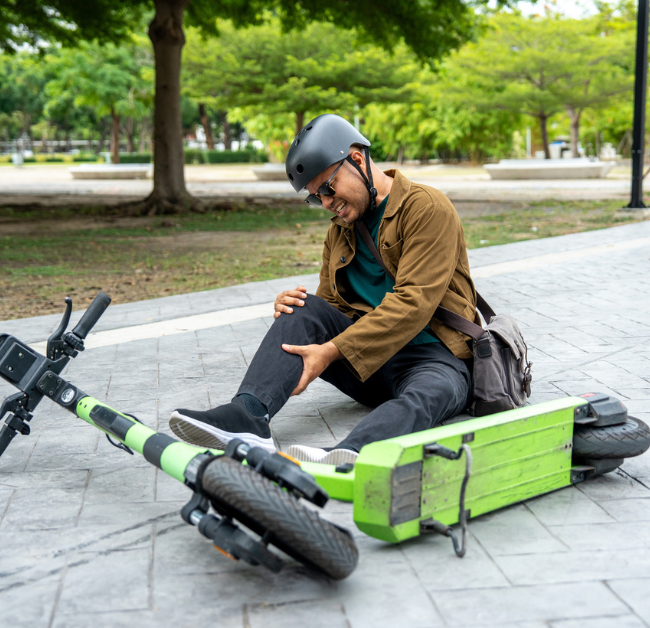
A ride on an e-bike or scooter can feel like an easy way to move around Myrtle Beach. But a collision, fall, or equipment failure can cause serious injuries in seconds. After an electric scooter accident, an injured rider, pedestrian, or driver could have a legal claim when another person, business, or unsafe condition caused the crash.
The short answer is yes, you could sue after an e-bike or scooter crash if negligence or defective equipment caused your injuries. The responsible party might be a driver, rider, rental company, property owner, repair business, or product maker. More than one party could share fault.
What Should I Do After an E-Bike or Scooter Crash?
Get medical care, report the crash, and document the scene as soon as you can. Call 911 when a car hit you, someone suffered a serious injury, traffic remains dangerous, or another person left the scene. Even a lower-speed fall can cause a concussion, broken bone, neck injury, back injury, or road rash.
Take photos of the device, nearby vehicles, traffic signs, pavement, lighting, damage, and visible injuries. Get the driver’s insurance information and witness names. If you rented the device, save the receipt, app records, rental agreement, device number, and company messages. Do not return damaged equipment without first recording its condition.
Who Is Liable for an Electric Scooter Accident?
Liability depends on who caused the danger. A driver could be responsible for speeding, failing to yield, opening a car door into the rider’s path, or driving while distracted. A rider could share fault for ignoring traffic rules or entering a pedestrian’s path without enough warning.
A rental company could face questions if it supplied unsafe equipment or ignored a reported problem. A property owner could become part of the claim when broken pavement, poor lighting, hidden holes, or another dangerous condition caused the fall. A manufacturer, distributor, or repair company could also face responsibility when faulty parts caused the crash.
Can I Sue a Driver Who Hit Me on an E-Bike or Scooter?
Yes, you could bring a claim when a careless driver caused the collision. Drivers must watch for bicycles, pedestrians, and other lawful road users. A driver who turns across a rider’s path, passes too closely, runs a light, or fails to look before opening a door could cause a serious crash.
Insurance companies often argue that the rider appeared suddenly, used the wrong part of the road, ignored a signal, or failed to use lights. Photos, witness statements, traffic video, app data, and medical records can help show what happened.
What If a Rental Scooter or E-Bike Malfunctioned?
A rental company could face liability when poor maintenance, a known defect, or a failure to remove unsafe equipment caused the injury. Common problems can include weak brakes, loose handlebars, damaged tires, sudden power loss, stuck throttles, or steering trouble.
Report the problem through the rental app and take screenshots. Photograph the device number, damaged parts, warning screen, and location. The company might collect, repair, or move the device quickly, so preserving evidence early matters.
Can a Property Owner Be Liable for a Scooter or E-Bike Injury?
Yes, a property owner could face a claim when an unsafe condition caused the injury and the owner failed to use reasonable care. Problems might include a hidden pothole, broken walkway, loose gravel, poor lighting, an unsafe ramp, or debris in a riding area.
The answer depends on where the fall happened, why the rider was there, how long the danger existed, and whether the owner knew or should have known about it. Claims involving public property can follow different rules and deadlines.
Do South Carolina Laws Treat E-Bikes and Scooters the Same Way?
No, the rules can differ by device and location. South Carolina generally places electric-assist bicycles under many of the same traffic rules that apply to bicycles. Electric scooters and other personal electric devices can also face local rules that change from one city or county to another.
Myrtle Beach and nearby communities can regulate where certain devices can operate. Riders should not assume that every scooter or e-bike can travel on every road, sidewalk, or public area. Breaking a traffic rule does not always decide the whole case, but it can affect how insurers argue about fault.
Can a Pedestrian Sue After Being Hit by a Scooter?
Yes, a pedestrian could bring a claim if a careless rider caused the injury. Riders should control their speed, watch for people on foot, and follow local rules. A pedestrian can suffer a head injury, broken wrist, hip injury, or other serious harm even when the device was not moving very fast.
A rental company or property owner could also become part of the investigation if unsafe equipment or a dangerous riding area contributed to the crash.
What If I Was Partly at Fault for the Crash?
You could still have a claim even if another party argues that you shared some fault. South Carolina uses a comparative fault system, so each person’s share of fault can affect the result. Video, device data, damage patterns, and witness accounts can help sort out what happened.
Who Pays the Medical Bills After an E-Bike or Scooter Injury?
Health insurance might pay some bills first, but it does not always decide who carries legal responsibility. A driver’s auto insurance, business liability policy, property insurance policy, rental company policy, or product liability policy could become part of the claim.
An electric scooter accident can lead to emergency care, surgery, physical therapy, lost income, scarring, and future treatment. A valid injury claim could seek compensation for supported losses, but the available recovery depends on the evidence, insurance, and severity of the harm.
How Long Do I Have to File a Claim in South Carolina?
Many South Carolina personal injury claims carry a three-year filing deadline. Different rules can apply when the claim involves a government entity, a child, or another special circumstance.
Do not wait for the deadline to get close. Rental data can disappear, camera systems can erase footage, witnesses can leave town, and the company can repair the device or put it back into service. Early action can protect evidence and help identify every responsible party.
Why Do These Accidents Matter on the Grand Strand?
Myrtle Beach and the Grand Strand bring together visitors, traffic, pedestrians, rental devices, hotel entrances, parking lots, and busy entertainment areas. Riders might not know the roads, and drivers might not expect a scooter or e-bike beside them.
An electric scooter accident can involve much more than a rider losing balance. A careless driver, unsafe rental device, dangerous property condition, or defective part could all change who carries responsibility. Prompt medical care, strong documentation, and a careful review can help an injured person understand what happened and what to do next.
If you’d like a no-obligation consultation with a local community lawyer who stays on top of the latest South Carolina law changes, contact Winslow Law today.
Winslow Law—Committed counselors for our clients and community.
FAQs
1. Can I Sue After an E-Bike or Scooter Crash?
Yes, you could bring a claim if a driver, rider, rental company, property owner, repair business, or product maker caused the injury through careless conduct or unsafe equipment. The evidence determines who could share responsibility.
2. Who Pays After a Rental Scooter Malfunctions?
A rental company, maintenance provider, manufacturer, or another business could carry responsibility when defective or poorly maintained equipment caused the crash. Save app records, photos, receipts, and the device number.
3. What Should I Do After a Scooter or E-Bike Injury?
Get medical help, report the crash, take photos, gather witness information, and preserve rental records or device data. Avoid giving a detailed recorded statement before you understand the facts and insurance issues.