
Myrtle Beach Bicycle Accident Laws: What Riders and Drivers Forget in Spring Traffic
May 12, 2026
At 3 PM This Memorial Day, America Pauses Together
May 25, 2026Older Driver Car Accidents South Carolina Families Don’t Always See Coming
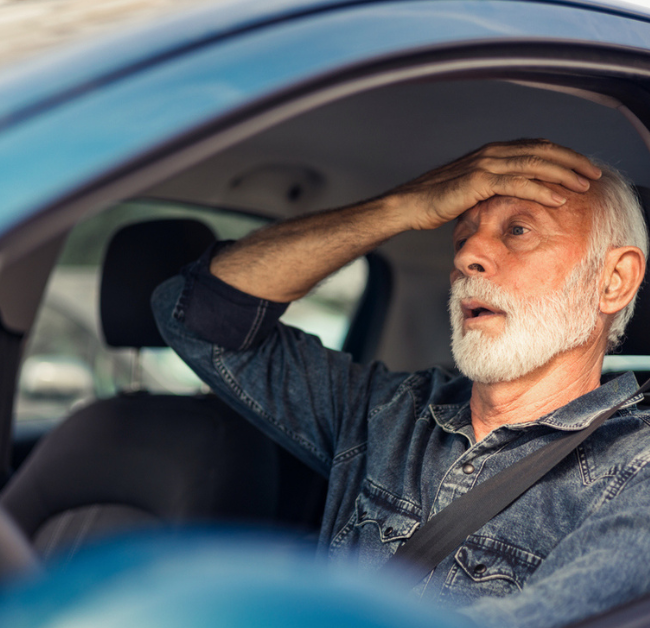
In a place like the Grand Strand, this is a hard subject to talk about because it touches real people we love. Many families have a parent, grandparent, neighbor, or family friend who still drives every day and values that freedom deeply. That is one reason older driver car accidents can feel so emotional. These crashes are not just about traffic. They are about independence, confidence, dignity, and the quiet question of whether someone is still as safe behind the wheel as they once were.
Most of the time, this does not start with one dramatic warning sign. It starts small. A missed turn. A slow reaction at a busy light. Trouble seeing traffic coming from the left. A little confusion in an unfamiliar area. A near miss in a crowded parking lot. Families often notice these moments and then talk themselves out of what they saw because nobody wants to embarrass a loved one or start a painful conversation.
Why These Crashes Can Be Harder To Predict
One reason these wrecks catch families off guard is that many older adults still do a lot of things well on the road. They might drive carefully, avoid speeding, and stay close to familiar routes. That can make it harder to notice where the risk is changing.
The problem often shows up in situations that demand quick judgment. Busy intersections, sudden lane shifts, glare from the sun, heavy tourist traffic, and fast decisions in unfamiliar areas can all create pressure. A driver who seems perfectly comfortable on a routine trip can struggle when the road gets more crowded and less predictable.
The Trouble Spots Families Often Miss
Reaction time is one part of it. Visibility is another. A person might not process a changing traffic pattern as quickly as they once did. They might have a harder time judging distance or speed in an intersection. They might also struggle with blind spots, glare, or night driving, even if they do not want to admit it.
Medication can complicate things too. Families sometimes think about drowsiness only in extreme terms, but even mild side effects can matter behind the wheel. Dizziness, slower focus, or delayed response can turn an ordinary drive into a dangerous one when traffic gets tight.
Older Driver Car Accidents Often Start at Intersections and in Everyday Traffic
A lot of these crashes do not happen because someone was driving wildly. They happen in the middle of normal life. Pulling out into traffic. Turning left across a busy road. Moving through a complicated intersection. Backing out of a crowded lot. Those moments ask a lot from any driver, and they can become harder with age. That is part of why these cases feel so upsetting. A family is not looking at reckless behavior. They are looking at a loved one who made a mistake in a situation that got too complex too fast.
Why the Family Conversation Feels So Personal
For many families, the hardest part is not the crash itself. It is the conversation that follows. No one wants to tell a parent or grandparent that driving has become a concern. That can feel like taking away freedom, privacy, and self-respect all at once.
But avoiding the conversation does not make the risk smaller. In many cases, it only delays a decision that needs care and honesty. The better approach is usually a calm one. Talk about specific situations, not broad accusations. Focus on safety, not blame. Ask whether certain routes, times of day, or driving conditions are becoming harder than they used to be.
A Respectful Approach Can Protect Everyone
This topic deserves a steady hand because it is not about shaming older drivers. It is about protecting people. Some older adults remain very safe drivers. Others need changes, more support, or a serious talk about whether driving should look different than it used to.
That is the real lesson here. Older driver car accidents can be painful because they involve people we care about and changes nobody wants to face. But when families stay alert, speak honestly, and act early, they have a better chance of preventing a much bigger problem later.
If you’d like a no-obligation consultation with a local community lawyer who stays on top of the latest South Carolina law changes, contact Winslow Law today.
Winslow Law—Committed counselors for our clients and community.
FAQs
1. What causes more risk for older drivers in South Carolina?
The risk often rises when reaction time, visibility, medication side effects, or comfort with complex traffic situations begin to change. Busy intersections, heavy traffic, and unfamiliar routes can make those issues more noticeable.
2. How should families talk about an older loved one’s driving?
The best approach is usually calm and specific. Focus on real situations you have seen, not blame or shame. A respectful conversation about safety usually goes further than a harsh one about age.
3. Are older driver crashes always caused by recklessness?
No. Many of these wrecks happen during ordinary driving situations like turning, merging, backing up, or moving through an intersection. That is one reason they can be so hard for families to see coming.