Out-of-State Driver Accidents Myrtle Beach Sees Every Summer Start With the Same Mistakes
May 26, 2026
When Can I File a Hotel Injury Claim in Myrtle Beach?
June 21, 2026Dangerous Intersections Myrtle Beach Drivers Learn To Respect the Hard Way
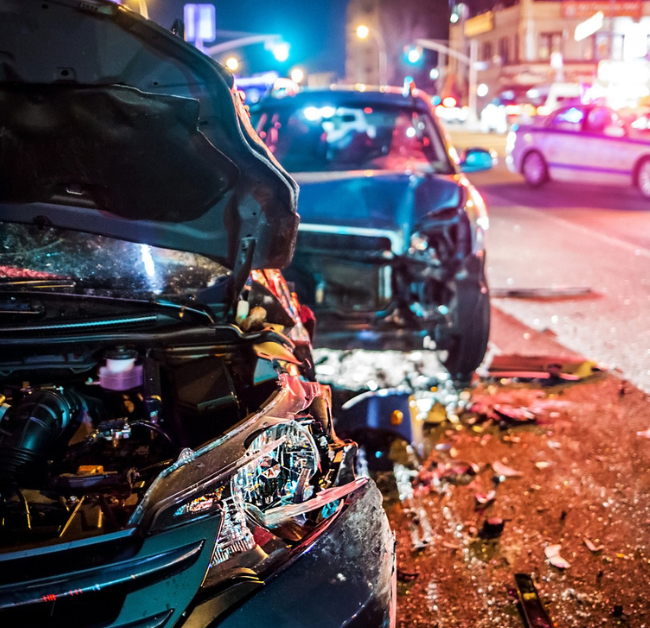
By May, traffic in Myrtle Beach already starts to feel more like summer. More visitors are in town, more local drivers share the road with people from other states, and a few trouble spots start showing the same patterns again. That is why dangerous intersections Myrtle Beach drivers talk about deserve real attention. The risk is not just heavy traffic. It is the mix of congestion, unfamiliar drivers, quick turns, tourist hesitation, and split-second choices that all come together in the same places.
Most drivers do not pull up to an intersection expecting a wreck. But certain spots in and around Myrtle Beach keep producing the same kinds of crashes. Intersections tied to U.S. 17, U.S. 501, Highway 544, 38th Avenue North, Harrelson Boulevard, and Carolina Bays Parkway tend to draw more concern because they combine fast-moving traffic with turning vehicles, lane changes, and drivers trying to figure out where they are going. Areas like U.S. 501 and Gardner Lacy Road, U.S. 17 Bypass and 38th Avenue North, and busy U.S. 17 corridors come up again and again when people talk about local traffic trouble.
Why the Same Intersections Keep Causing Trouble
Some intersections are difficult because they carry too many jobs at once. They move through traffic, feed shopping areas, handle left turns, and catch drivers who need to merge or exit quickly. That is part of what makes areas like U.S. 501 and Gardner Lacy Road so frustrating. Drivers are often dealing with speed, congestion, and last-second decisions all at the same time.
The same kind of pressure shows up around U.S. 17 Bypass and 38th Avenue North. It is a spot where local drivers, beach traffic, and turning vehicles all compete for room. That matches what many local drivers already feel when traffic stacks up there.
Dangerous Intersections Myrtle Beach Traffic Makes Worse in Spring and Summer
This is where the local pattern becomes clearer. Intersections near U.S. 17 Bypass and Harrelson Boulevard, U.S. 17 corridors near the airport area, and busy connectors feeding beach traffic often become more difficult once visitor traffic builds.
Then there is the broader Grand Strand pattern. Some of the worst intersections are not dangerous because they are unusual. They are dangerous because they combine very normal mistakes in a very unforgiving setting. A driver misses a turn. A tourist brakes late after following GPS. Someone tries to beat a yellow light. Another driver assumes they have more room than they really do. At the wrong intersection, those small mistakes become serious crashes.
What Drivers Usually Get Wrong at These Intersections
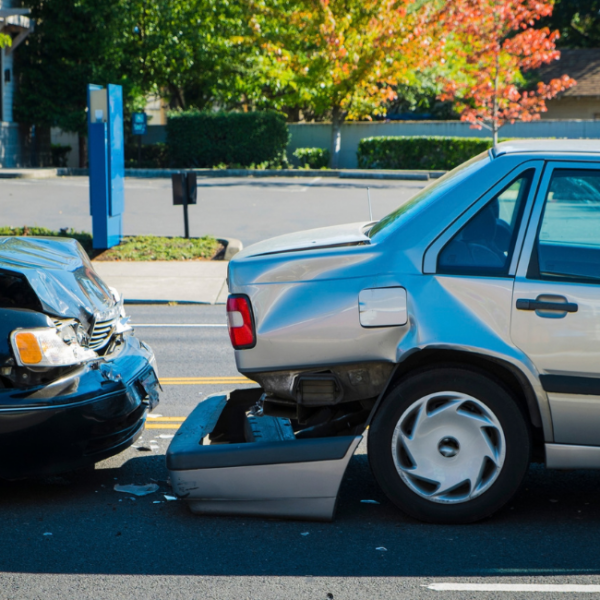
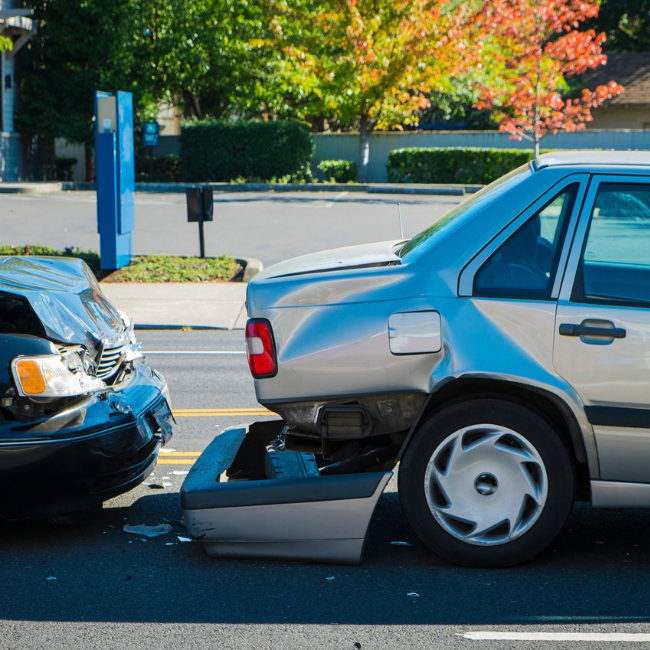
A lot of these wrecks involve left turns, rear-end crashes, and side-impact collisions. Drivers often realize too late that they are in the wrong lane and try to fix it fast. Visitors hesitate because they do not know the area. Locals get impatient because they do. That difference in confidence can be dangerous. That is why certain intersections feel risky even when the road itself looks ordinary. The danger comes from how people use the space, not just the shape of the road. A few seconds of hesitation or aggression can change everything.
Why This Matters Before Summer Gets Even Busier
The real issue is not just whether one intersection has more crashes than another. It is that dangerous intersections Myrtle Beach drivers already struggle with in May usually get even worse once summer traffic fully arrives. Places like U.S. 501 and Gardner Lacy Road, U.S. 17 Bypass and 38th Avenue North, and major U.S. 17 corridors near Harrelson Boulevard and the airport area deserve extra caution because they bring together the exact mix that causes repeat problems.
If you’d like a no-obligation consultation with a local community lawyer who stays on top of the latest South Carolina law changes, contact Winslow Law today.
Winslow Law—Committed counselors for our clients and community.
FAQs
1. What are some dangerous intersections Myrtle Beach drivers should watch closely?
Drivers often talk about areas like U.S. 501 and Gardner Lacy Road, U.S. 17 Bypass and 38th Avenue North, and busy U.S. 17 corridors near Harrelson Boulevard and the airport area. These spots tend to combine congestion, turning traffic, and unfamiliar drivers.
2. Why do these intersections feel worse in late spring and summer?
Traffic builds fast once visitors arrive in larger numbers. That means more rental cars, more missed turns, more sudden braking, and more drivers trying to navigate roads they do not know well.
3. What kind of crashes happen most at risky Myrtle Beach intersections?
Left-turn crashes, rear-end collisions, and side-impact wrecks are common. Many start with hesitation, late lane changes, or drivers trying to correct a mistake too quickly.