

Can an HOA Put a Lien on My Home in South Carolina?
August 14, 2026
What Assets Do Not Go Through Probate in South Carolina?
August 16, 2026Can a Buyer Back Out of a Real Estate Contract in South Carolina?
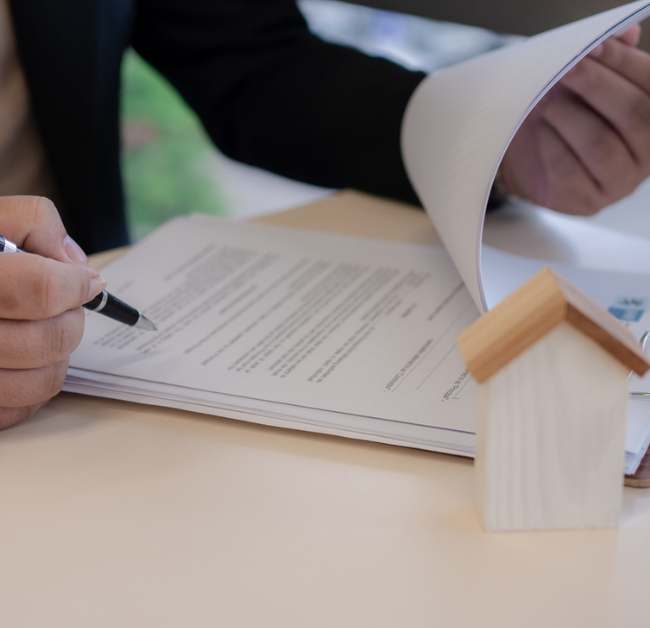
Buying a home can feel exciting when you sign the contract. Then an inspection finds a problem, financing changes, the numbers stop working, or you simply start wondering whether you made the right decision.
A buyer can sometimes back out of a real estate contract in South Carolina, but the answer depends heavily on the contract. Contingencies, due diligence provisions, deadlines, financing terms, title requirements, and other language can give a buyer a legal way to terminate. Simply changing your mind does not necessarily do the same.
What Does Your Real Estate Contract Actually Say?
Start with the contract itself. South Carolina generally requires contracts for the sale of real estate to be in writing. Once the buyer and seller enter into an enforceable agreement, both sides have legal obligations under its terms. The contract can address the purchase price, closing date, earnest money, financing, inspections, due diligence, repairs, title issues, default remedies, and deadlines for exercising certain rights.
This is why there is no universal rule that gives every homebuyer a certain number of days to change their mind. Two buyers purchasing similar homes could have very different termination rights because they signed different contracts.
Can a Buyer Back Out After a Home Inspection?
Possibly. The answer depends on the inspection or due diligence language in the agreement. Some South Carolina residential contracts include a negotiated due diligence period. Under commonly used South Carolina REALTORS contract provisions, the parties can agree to a limited period when a buyer can terminate for any reason or no reason if the buyer follows the required procedure and pays the agreed due diligence termination fee.
Other contracts handle inspections and repairs differently. A contract might give the buyer a right to request repairs, set standards for certain property conditions, or provide another procedure before termination becomes an option. Finding a problem during an inspection does not automatically cancel the contract. The buyer needs to know what the agreement requires and act before the applicable deadline.
Can I Back Out if My Financing Falls Through?
Sometimes, but the financing contingency matters. A real estate contract in South Carolina can make the purchase contingent on the buyer obtaining financing under certain terms. The provision can also require the buyer to apply for financing promptly, provide documents, cooperate with the lender, and meet specific deadlines.
If a lender denies the loan despite the buyer making the required efforts, a financing contingency could provide a way to terminate. That does not mean a buyer can simply stop cooperating with the lender and then rely on the financing contingency. The wording of the agreement and the buyer’s actions both matter. If financing becomes uncertain, review the contract quickly. Waiting until the day before closing can greatly limit your options.
What Happens to My Earnest Money if I Back Out?
The buyer does not automatically lose earnest money every time a transaction ends, but the buyer also does not automatically get it back. The contract usually controls what happens to the deposit.
If a buyer properly terminates under an available contract provision, the agreement can provide for the return or disposition of the earnest money. If the seller claims the buyer breached the contract, the parties could disagree about who should receive it. When a South Carolina brokerage holds disputed earnest money, it generally must continue holding those funds until the dispute is resolved through an authorized method, such as a written agreement between the parties, voluntary mediation, a court order, or an interpleader action. Do not assume that telling your agent you want out automatically resolves the earnest money question.
Can I Back Out Because of a Title Problem?
A title problem could give the buyer rights under the contract. A title search can uncover liens, ownership disputes, judgments, easements, probate problems, or other issues involving the property. Many purchase agreements address the type of title the seller must provide and what happens when a defect appears.
The seller could have an opportunity to correct the problem before closing. If the issue cannot be resolved, the contract could provide another remedy. The exact language matters, so a buyer should not assume that every title issue automatically allows the deal to end.
Can I Back Out Just Because I Changed My Mind?
Buyer’s remorse alone does not automatically create a right to cancel an enforceable real estate contract. Maybe you found another house you like better. Maybe you decided you do not want to move. Maybe the monthly payment suddenly feels uncomfortable even though the financing remains available. Those concerns can be very real, but they do not necessarily provide a contractual reason to terminate.
If no remaining contingency or termination right applies, refusing to close could amount to breach of contract. Depending on the agreement and circumstances, a dispute could involve earnest money, damages, specific performance, or other remedies. Before sending a message saying you are walking away, have someone review the contract and explain the possible consequences.
What if the Seller Did Not Disclose a Problem?
South Carolina requires property condition disclosures in many residential sales, although exceptions apply. A seller who knowingly provides false, incomplete, or misleading material information can face civil liability when the legal requirements are met. However, a disclosure issue does not automatically void a purchase contract. South Carolina law specifically states that failure to provide the required disclosure form, by itself, does not void the agreement or provide a valid reason to delay closing. If you discover a major property problem or believe a seller concealed important information, get legal advice before assuming you can terminate the transaction.
Why Are Real Estate Contract Deadlines So Important?
Real estate contracts contain a lot of dates, and some of them can affect whether a buyer still has the right to terminate. Those dates can involve inspections, due diligence, financing, repair requests, earnest money, document delivery, and closing.
This can be especially important for Myrtle Beach and Grand Strand buyers who live in another state. Second-home, vacation-property, and investment buyers often handle inspections, HOA documents, financing, insurance, and closing remotely. Being out of town does not stop a contract deadline. If the transaction starts to go wrong, review the agreement immediately rather than waiting to see whether the problem fixes itself.
Review the Contract Before You Walk Away
A buyer can sometimes legally back out of a real estate contract in South Carolina, but there is a major difference between exercising a valid contract right and simply refusing to close. Inspection problems, due diligence rights, financing issues, title defects, or another contingency could provide a way out. Buyer’s remorse alone might not. If you are thinking about terminating a home purchase in Myrtle Beach or anywhere in South Carolina, an attorney can review the agreement, identify the rights that still exist, explain what could happen to your earnest money, and help you understand the potential consequences before you act.
If you’d like a no-obligation consultation with a local community lawyer who stays on top of the latest South Carolina law changes, contact Winslow Law today.
Winslow Law—Committed counselors for our clients and community.
FAQs
1. Can I Back Out of a Home Purchase After the Inspection in South Carolina?
Possibly. Your rights depend on the inspection, repair, or due diligence provisions in your contract and whether you act before the applicable deadline. Some contracts provide broad termination rights during a negotiated due diligence period, while others use a more limited process.
2. Do I Lose My Earnest Money if I Back Out of a House in South Carolina?
Not automatically. What happens to earnest money depends on the contract and why the transaction ended. A buyer who properly terminates under a contract provision can have different rights from a buyer who simply refuses to close. If the buyer and seller dispute the deposit, the money can remain in escrow until the dispute is properly resolved.
3. Can I Back Out of a Real Estate Contract if My Loan Falls Through?
You might be able to if your contract contains an applicable financing contingency and you complied with its requirements. Financing provisions often include deadlines and responsibilities for the buyer, so a loan problem alone does not automatically end the contract.