
When Can I File a Hotel Injury Claim in Myrtle Beach?
June 21, 2026
Why Do Drunk Driving Accidents Rise in Myrtle Beach During The Summer?
June 23, 2026Do I Need An Estate Plan For A Second Home In South Carolina?
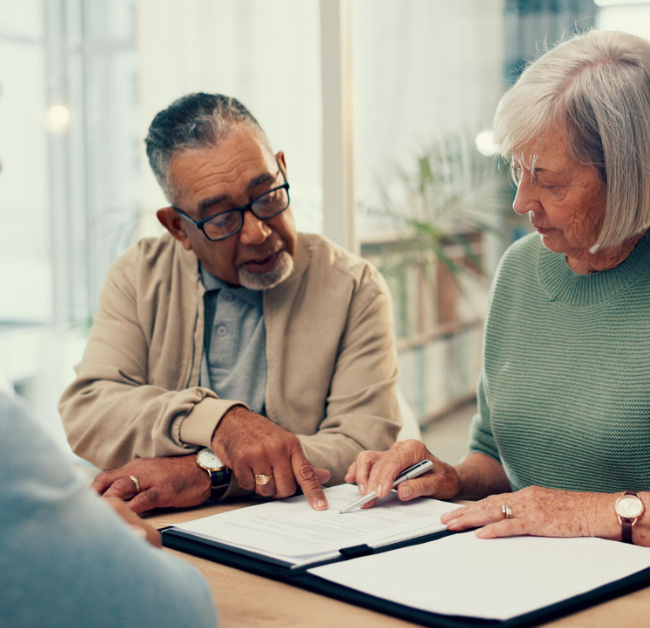
If you own a beach house, condo, or vacation property along the Grand Strand, this question matters more than many people realize. An estate plan for a second home is not just a planning issue for wealthy families or retirees with large portfolios. It matters for couples, parents, adult children, and anyone who wants to avoid confusion, conflict, or unnecessary court problems later. In South Carolina, a second home can add another layer to estate planning because title, inheritance, probate, and family expectations do not always line up as neatly as people assume.
The short answer is yes, in most cases, a second home deserves its own estate planning review. A beach property can create different issues than a primary home because it might be shared by family, held in a different title form, tied to a trust, or owned by someone who lives in another state. If the plan is vague, the property can become a source of stress instead of a gift.
Why Does a Second Home Need Special Estate Planning?
A second home is not always harder to own, but it is often harder to pass on cleanly. A family might assume the house will just go to the spouse or the children without much trouble. But ownership after death depends on how the property is titled, whether there is a will, whether a trust is involved, and whether probate becomes necessary.
A second home also creates practical problems that ordinary estate planning does not always solve by itself. Who pays for taxes, insurance, repairs, and upkeep after death? Who gets to use the property? Should one child inherit it while another receives something else? Should the property be sold instead of shared? Those are the kinds of questions that turn a simple-looking asset into a complicated family issue.
What Happens to a Beach House If There Is No Plan?
If there is no clear plan, the outcome can be more stressful and expensive than people expect. Property might pass under a will, or under South Carolina intestacy rules if there is no will, but that does not mean the family will agree on what to do next. A second home can quickly become a point of tension when some family members want to keep it, some want to sell it, and nobody is fully prepared for the costs.
This is where an estate plan for a second home becomes so important. A clear plan can answer who inherits the property, how the costs should be handled, whether the property should stay in the family, and what should happen if the heirs disagree. Without that guidance, the property can become a burden at the exact time the family is already dealing with loss.
Does a Second Home Have To Go Through Probate in South Carolina?
Sometimes yes, and that is a major reason people should plan ahead. In South Carolina, real property can be affected by probate and estate administration depending on how it is owned and what planning is already in place. If the owner lived in another state but owned real property in South Carolina, that can also raise added administration questions here.
That does not mean every second home creates the same probate path. But it does mean families should not assume a beach property will pass smoothly without review. A South Carolina second home can create estate administration issues that deserve attention before a crisis, not after one.
How Should a Second Home Be Titled?
Title matters because it shapes what happens at death. A second home might be owned by one person, by spouses together, through a trust, or through another arrangement. Each setup can lead to different results. That is why title review is such an important part of planning.
People often buy a beach property and then move on without revisiting how it is held. Years later, the family is left trying to sort out what the original title means, whether it matches the estate plan, and whether anything should have been changed earlier. A second home is too important an asset to leave that kind of guesswork behind.
Should a Second Home Go Into a Trust?
For some families, a trust can be a useful tool when planning for a second home. It can help with management, continuity, and the transition after death. It can also give a family more structure around who controls the property, who can use it, and how costs are handled. But a trust is not automatically the right answer in every case.
The better question is whether the current plan actually matches the family’s goals. If the goal is to avoid confusion, reduce conflict, and create a smoother path for the property, then a trust might be worth considering. If the property is already titled in a way that fits the broader estate plan, another approach might make more sense. The answer depends on the family, the property, and the long-term goals.
What Should Families Decide Before They Pass Down a Second Home?
This is one of the most important parts of the conversation. A family should decide whether the property is meant to stay in the family, be sold, or be transferred with conditions. They should also think through who will pay for ongoing costs, who will manage the property, how scheduling or use rights will work, and what happens if one family member wants out.
These are not small details. They are often the exact issues that lead to disputes later. A beach house can carry strong emotions, memories, and expectations. That makes clear planning even more important, not less.
What If I Live Outside South Carolina but Own Beach Property Here?
This is a common Grand Strand issue, especially with retirees and second-home buyers. If you live in another state and own real property in South Carolina, that can create added probate and administration questions after death. Families often do not realize this until they are already trying to handle the estate.
That is one reason an estate plan for a second home should be reviewed with the South Carolina property in mind, not just the owner’s primary residence. A beach property here can bring South Carolina legal questions into the conversation even when the owner’s main home is somewhere else.
What Is the Best Estate Plan for a Second Home?
There is no one best plan for every family. The better question is what plan best fits your property, your family, and your goals. For some people, that means a will update and a title review. For others, it might mean a trust, a clearer inheritance plan, or a direct discussion about whether the property should be kept or sold.
The key is not to assume the second home will take care of itself. A beach house is often one of the most emotionally loaded assets a family owns. That is exactly why it deserves a plan that is clear, practical, and tailored to what the family actually wants.
Why This Question Matters So Much on the Grand Strand
The reason this issue matters in Myrtle Beach and along the South Carolina coast is simple. Families buy second homes here because they want a place to enjoy, share, and pass along. But without a strong plan, that same property can become a source of conflict, delay, and expense. That is why estate plan for a second home is such an important question for coastal property owners. The earlier you address it, the better your chance of protecting both the property and the people who matter most.
If you’d like a no-obligation consultation with a local community lawyer who stays on top of the latest South Carolina law changes, contact Winslow Law today.
Winslow Law—Committed counselors for our clients and community.
FAQs
1. Do I Need an Estate Plan for a Second Home in South Carolina?
In most cases, yes. A second home adds another layer to inheritance planning because title, probate, family use, and long-term costs can all create problems if the plan is unclear.
2. Does a Second Home Have To Go Through Probate in South Carolina?
Sometimes it does, depending on how the property is owned and what planning is already in place. Families should not assume a South Carolina beach property will transfer smoothly without review.
3. Should a Second Home Go Into a Trust?
Sometimes a trust can help, especially if the goal is smoother management and a clearer transition after death. But the right answer depends on the property, the title, the family, and the overall estate plan.