

Can I Sue After an E-Bike or Electric Scooter Accident?
July 25, 2026
Can an HOA Put a Lien on My Home in South Carolina?
August 14, 2026Can I File a Workers’ Compensation Heat Exhaustion Claim in South Carolina?
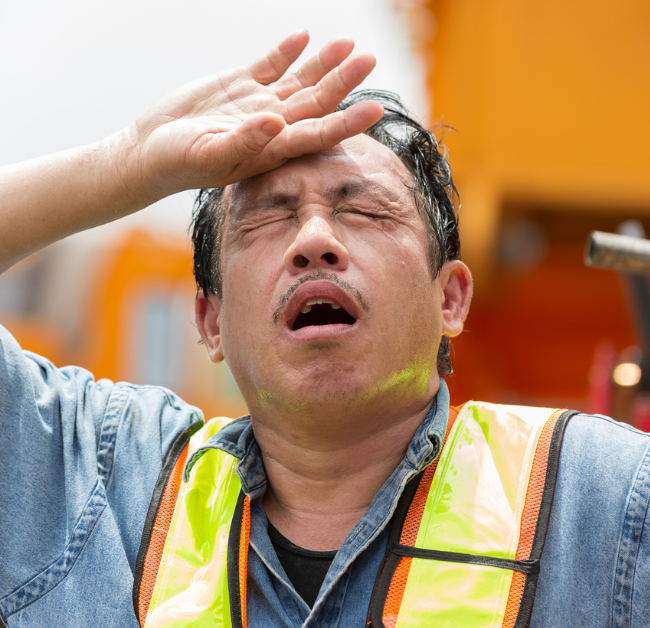
A hot South Carolina workday can become dangerous faster than many people expect. Construction workers, landscapers, warehouse crews, restaurant staff, maintenance workers, delivery drivers, and others can face serious heat exposure indoors or outside. If the heat causes dizziness, weakness, nausea, fainting, or another illness, the next question often comes quickly: Can workers’ compensation cover it?
In some cases, yes. A workers’ compensation heat exhaustion claim could qualify when the job conditions caused or clearly contributed to the illness. The facts still matter, including where the worker was, what job they were doing, how long the heat exposure lasted, when symptoms began, and what medical records show.
Can Heat Exhaustion Qualify for Workers’ Compensation in South Carolina?
Yes, heat exhaustion can support a South Carolina workers’ compensation claim when it arises out of the job and happens during the course of employment. A worker does not need a broken bone or sudden fall to have a serious work-related condition. Heat illness can develop during a demanding shift that involves high temperatures, heavy physical effort, little airflow, protective clothing, or limited time to cool down.
The claim is not automatic. A worker still needs evidence that connects the illness to the job. That connection can become clearer when symptoms begin during the shift, coworkers see what happened, a supervisor receives a prompt report, and a medical provider documents the work conditions.
What Are the Warning Signs of Heat Exhaustion at Work?
Heat exhaustion often causes heavy sweating, weakness, dizziness, headache, nausea, muscle cramps, clammy skin, confusion, or fainting. Heat stroke is even more serious and can become life-threatening.
Workers should not try to push through symptoms that are getting worse. Stop working, move to a cooler place, and get help. If someone seems confused, passes out, has a seizure, or shows another sign of a medical emergency, call 911. Heat illness can worsen quickly.
Which Workers Face the Highest Risk of Heat Illness?
Outdoor and indoor workers can both face dangerous heat. Roofers, road crews, landscapers, construction workers, and pool or property maintenance teams often spend long hours in direct sun. Myrtle Beach hotel, restaurant, attraction, and tourism workers can also work in hot kitchens, laundry areas, loading zones, warehouses, or poorly cooled spaces.
Indoor heat still counts. A workers’ compensation claim does not depend only on the outdoor temperature. The real question is whether the work environment and job duties caused or contributed to the illness. A hot kitchen, warehouse, mechanical room, or enclosed work vehicle can create dangerous conditions too.
What Should I Do After Getting Heat Exhaustion at Work?
Report the illness to a supervisor, manager, or on-site nurse as soon as possible. Do not rely on telling only a coworker. Explain when the symptoms started, what task you were performing, how long you had been in the heat, and whether you had access to water, shade, rest, or cooling.
Ask the employer to make a written record. Keep your own notes as well. Write down the date, time, work area, job duties, symptoms, witnesses, and medical treatment. Save texts, emails, schedules, and photos that help show the conditions. A clear record can matter if the employer or insurance carrier later questions what happened.
Why Is Medical Care Important After Workplace Heat Exhaustion?
Medical care protects your health and helps document how the illness connects to your job. Tell the provider that the symptoms started while you were working. Be specific about the heat, physical effort, length of exposure, clothing or protective gear, and any loss of consciousness or confusion.
Medical records often become a key part of a workers’ compensation heat exhaustion claim. They can help connect the illness to the job, show the seriousness of the condition, and document work restrictions. Follow treatment instructions, attend appointments, and do not return to heavy heat exposure before the provider says it is safe.
What Benefits Can Workers’ Compensation Provide for Heat Exhaustion?
Workers’ compensation benefits can include authorized medical treatment and partial wage replacement when the condition keeps a worker from earning the same pay. The exact benefits depend on the facts, the length of disability, the medical findings, and the worker’s average wages.
Not every heat illness leads to long-term disability, but even a short hospital visit or several missed shifts can create real financial stress. Some workers also suffer a fall, head injury, or other trauma after becoming dizzy or passing out.
What If My Employer Says the Heat Illness Was My Fault?
An employer or insurance carrier can dispute the claim, but their argument does not automatically defeat it. They might say the weather was hot for everyone, the worker had a personal health issue, or the illness did not come from the job. The real question is whether the work conditions caused or materially contributed to the illness.
Coworker statements, job schedules, weather information, medical records, incident reports, and details about workload, breaks, water, ventilation, and protective gear can help explain why the worker became ill. A prior medical condition also does not always end the claim if the job made the condition worse.
How Long Do I Have to Report and File a Heat Exhaustion Claim?
Report the illness immediately because South Carolina has notice and filing deadlines. State law generally gives workers 90 days to notify the employer about an accident, although exceptions can apply. Workers generally have two years after an accident to file a claim with the South Carolina Workers’ Compensation Commission, and different timing rules can apply in some cases.
Those deadlines are not a reason to wait. Heat exposure evidence can disappear quickly. Work schedules change, witnesses move on, and weather conditions become harder to document. Early reporting protects both the worker’s health and the record of what happened.
Why Are Heat Exhaustion Claims Important on the Grand Strand?
Heat exhaustion claims matter here because Myrtle Beach and the Grand Strand depend on people who work outside, in hot kitchens, in warehouses, on construction sites, and throughout the tourism industry. During July, August, and September, high heat and humidity can make an ordinary shift much harder on the body.
A workers’ compensation heat exhaustion claim can become a real issue when the job puts a worker in dangerous heat and that exposure leads to illness. Workers should take symptoms seriously, report them quickly, and get medical care. A fast response can protect health, preserve evidence, and make the next steps easier to understand.
If you’d like a no-obligation consultation with a local community lawyer who stays on top of the latest South Carolina law changes, contact Winslow Law today.
Winslow Law—Committed counselors for our clients and community.
FAQs
1. Can I Get Workers’ Compensation for Heat Exhaustion at Work?
Yes. Heat exhaustion can qualify for workers’ compensation when the worker can show that job conditions caused or contributed to the illness. Medical records, witness statements, and a prompt report can help support the claim.
2. What Should I Do If I Get Heat Exhaustion at Work?
Stop working, move to a cooler area, report the illness, and get medical care. Call 911 when symptoms include confusion, fainting, seizures, or another medical emergency. Tell the medical provider that the symptoms began at work.
3. Can My Employer Deny a Heat Exhaustion Workers’ Compensation Claim?
An employer or insurer can dispute the claim, but a denial does not always end the matter. Evidence about the heat, job duties, symptoms, witnesses, and medical findings can help show whether the illness came from the work.