

South Carolina HOA Disputes: Your HOA Can Fine You for WHAT?!
April 5, 2026
South Carolina Prom Night Liability: What Parents and Teens Need To Know Before the Big Night
April 22, 2026Myrtle Beach Vacation Legal Mistakes That Could Ruin Your Trip
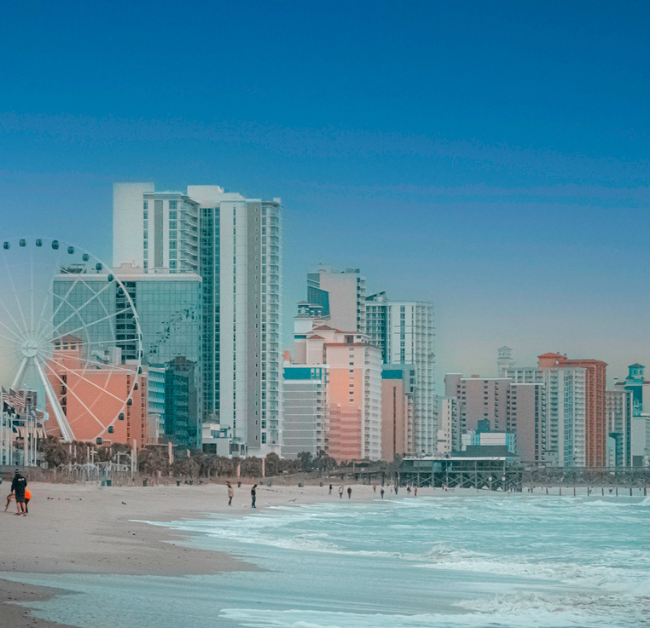
Most people come to Myrtle Beach to relax, eat good food, and spend time near the water. They do not come here expecting a ticket, a court date, or a trip to jail. Still, that happens more than a lot of visitors realize. A beach town can feel casual, but local rules still matter. South Carolina law still applies. And one bad choice can change the whole tone of a family trip fast.
That is why it helps to know the Myrtle Beach vacation legal mistakes that catch tourists off guard every year. Some involve alcohol. Some involve fireworks. Others involve golf carts, curfews, or public behavior. A lot of these issues start with people thinking, Everybody does this. That kind of thinking can get expensive fast.
1. Bringing Alcohol Onto the Beach
This is one of the most common Myrtle Beach vacation legal mistakes. A lot of visitors assume they can carry a beer or mixed drink onto the sand as long as they stay quiet and do not bother anyone. That is not how the rule works. Myrtle Beach does not allow alcohol on the beach. It also does not allow glass containers there.
A simple beach drink can turn into a citation before a person even settles into a chair. Then things can get worse if someone argues with police, refuses to cooperate, or causes a scene. What starts small can grow fast.
2. Letting Underage Drinking Slide
Vacation makes some families and friend groups relax their usual rules. That can create real problems. South Carolina takes underage drinking seriously. A teenager with alcohol, or a young adult who is not yet 21, can end up facing criminal trouble instead of just getting a warning.
This problem also grows when an older friend buys alcohol for someone younger, or when a group keeps alcohol in a room where underage people have easy access to it. A lot of people treat that as no big deal on vacation. Law enforcement might not see it that way.
3. Using a Fake ID or Lying About Age
Some visitors still think fake IDs are part of beach week culture. That is a mistake. Using false information to buy alcohol is not just a harmless stunt. It can lead to criminal charges and create a legal mess that follows someone home after the trip ends. That kind of charge can affect more than one night out. It can create stress for parents, college students, and young adults who never thought one bad choice on vacation would carry real consequences.
4. Setting Off Fireworks on the Beach
A lot of tourists think fireworks and the beach go together. In Myrtle Beach, that assumption can get people in trouble. Personal fireworks are not allowed on the beach or on public property. Visitors often buy fireworks, wait until dark, and head for the sand without thinking twice. Then the night ends with a fine instead of fun. Fireworks rules also matter on private property, so people should not assume they can use them anywhere just because they bought them legally.
5. Treating a Golf Cart Like a Toy
Golf carts look easy and fun, especially in a beach town. That is exactly why tourists get careless with them. South Carolina has rules for golf cart use on public roads. The cart must meet legal requirements, and the driver must meet them too. Visitors run into trouble when they let someone too young drive, skip insurance or registration rules, or use a cart in places where it does not belong. A golf cart might feel casual, but the law does not treat it like a toy.
6. Letting Teens Stay Out Too Late
A lot of families do not realize Myrtle Beach has a juvenile curfew in certain areas. Parents might think their teen is safe walking around with friends late at night, especially in a crowded vacation area. That can become a problem fast if the teen is in a place covered by curfew rules and does not have a parent or guardian with them. This catches families off guard because they assume curfew rules are either not enforced or do not apply to tourists. That is not a safe assumption. Visitors need to know the rules before they hand over freedom and a room key.
7. Wandering Onto Private Property
This one sounds minor until it is not. In a vacation town, people often drift into hotel spaces, pools, rooftops, parking lots, and walkways that are not open to the public. They assume nobody will care if they stay a few minutes, take a shortcut, or snap a photo. That can turn into a trespassing issue quickly. If a space is restricted, posted, or clearly meant for guests or residents only, visitors should stay out. If someone tells you to leave, leave right away. Arguing only makes the situation worse.
8. Digging Deep Holes or Damaging the Beach Area
Families love to dig in the sand, especially with kids. But deep holes can create safety risks for other beachgoers and for emergency crews. Visitors often do not stop to think about what happens when a hole gets left behind after sunset or hidden by wind-blown sand. Beach rules exist for a reason. Tourists who ignore them often think they are just having harmless fun. In reality, they could create a hazard and draw legal attention they never expected.
9. Riding or Acting Reckless in Public
Vacation crowds, heat, alcohol, and late nights can push people into poor choices. Loud fights, public yelling, rough behavior, and refusing to calm down can all bring police into the picture. A person does not have to think of themselves as dangerous to end up facing disorderly conduct or similar charges after one bad public moment. This kind of trouble often starts with embarrassment, frustration, or a simple argument that gets out of hand. Once police step in, the night can change fast.
10. Assuming Vacation Rules Are Different From Real-Life Rules
This is the biggest mistake of all. Too many visitors think the beach works by its own set of relaxed rules. They assume police will let small things slide because people are on vacation. That mindset causes most of the other problems on this list. Myrtle Beach is fun, but it is still a city with local ordinances and state laws. Visitors who take a few minutes to learn the rules can save themselves a lot of stress, money, and regret.
Why Myrtle Beach Vacation Legal Mistakes Matter More Than People Think
Most legal trouble on vacation does not start with a major crime. It starts with a small decision that feels normal in the moment. A drink on the beach. A teen out too late. Fireworks in the sand. A borrowed ID. A golf cart ride that seemed harmless. That is why Myrtle Beach vacation legal mistakes matter. They catch regular people off guard. They can lead to fines, charges, and court problems that follow you long after the beach trip ends. A little caution at the start of a vacation can prevent a lot of damage later.
If you’d like a no-obligation consultation with a local community lawyer who stays on top of the latest South Carolina law changes, contact Winslow Law today. Winslow Law serves people across the Grand Strand and in the Midlands.
Winslow Law—Committed counselors for our clients and community.
FAQs
1. Can you get in trouble for drinking on the beach in Myrtle Beach?
Yes. Myrtle Beach does not allow alcohol on the beach. Visitors who break that rule can face legal trouble, and the situation can get more serious if other behavior draws police attention.
2. Are golf cart rules really enforced in South Carolina beach towns?
Yes. Golf cart laws matter in South Carolina, even in vacation areas. Visitors should not assume a golf cart is just for fun and outside normal road rules.
3. What legal mistakes do tourists make most in Myrtle Beach?
Some of the most common mistakes include bringing alcohol onto the beach, letting underage drinking slide, using fake IDs, setting off fireworks on the sand, violating curfew rules, and wandering onto private property.