

Spring Break Injury Myrtle Beach: What To Do If You Get Hurt on Vacation
March 15, 2026
Myrtle Beach Vacation Legal Mistakes That Could Ruin Your Trip
April 6, 2026South Carolina HOA Disputes: Your HOA Can Fine You for WHAT?!
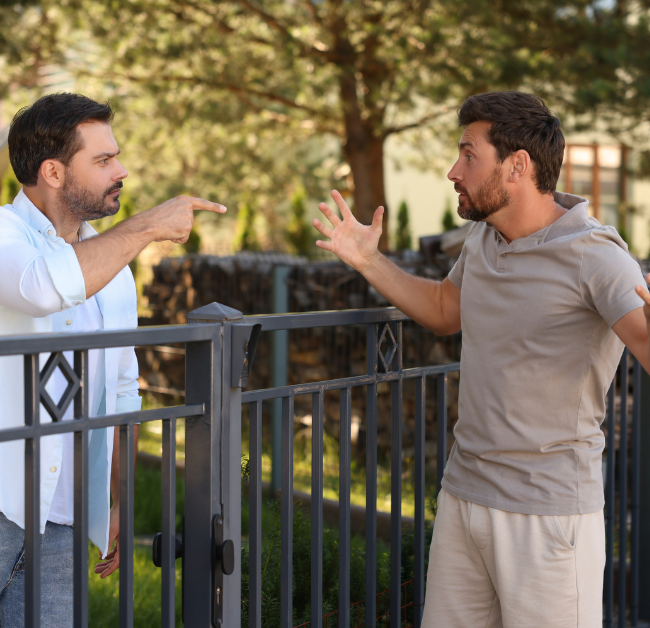
Most people do not buy a home thinking a flag, a parking spot, a paint color, or a weekend rental could turn into a legal fight. But that happens more often than folks think. In coastal South Carolina, people move into planned neighborhoods for the look, the upkeep, and the sense of order. Then they find out that one rule they barely noticed at closing can lead to warning letters, fines, hearings, and sometimes lawsuits.
That is what makes South Carolina HOA disputes so frustrating. They often start small. A boat sits in the driveway too long. A homeowner hangs the wrong flag in the wrong way. Someone rents out a property for short stays. A family changes shutters, installs a fence, or paints a front door without written approval. Then the argument grows. Before long, people are not just upset. They are keeping folders, saving emails, and calling lawyers.
Why South Carolina HOA Disputes Catch People Off Guard
A lot of HOA fights do not start because someone wanted trouble. They start because someone assumed a rule would not matter, would not be enforced, or would be enforced the same way for everyone. That is where people get burned. One homeowner gets a warning for something that another neighbor seems to get away with. Another owner learns too late that a verbal okay from the board president did not count because the rules required written approval. Someone else buys a property planning to use it as a rental, only to learn the neighborhood rules say otherwise.
That kind of surprise creates the heart of many South Carolina HOA disputes. The issue is not always just the rule itself. It is the timing, the communication, the selective enforcement claim, and the money that starts piling up once fines or legal fees enter the picture.
The Rules That Trigger the Biggest Fights
Some HOA rules create more conflict than others because they hit daily life. Rentals sit high on that list. In beach communities and fast-growing areas, owners often want short-term rental income, or at least the option to rent to visitors. If the governing documents restrict rentals, cap them, or require board approval, that can spark a serious fight fast.
Parking causes its own share of blowups. Homeowners get upset over guest parking, work trucks, trailers, boats, golf carts, or even a car parked in what the HOA sees as the wrong place. What feels normal to one owner can look like a clear violation to the association.
Flags and signs create another kind of conflict because they touch personal expression and identity. Exterior changes do the same. A new fence, a porch enclosure, storm shutters, a shed, landscaping, solar equipment, or even a different mailbox can all become flashpoints if the owner did not get approval first. These are everyday choices, which is exactly why they create everyday anger.
Yes, People Really Have Gone to Court Over Things Like This
If HOA disputes sound petty, it is only because the trigger often looks petty from the outside. HOA fights have reached court over holiday decorations, flagpole disputes, and rule enforcement that owners said went too far. Those fights did not stay small because the deeper issue was never just the decoration or the pole. It was about how power, property rights, and rule enforcement collided.
That is the lesson for South Carolina homeowners too. A case does not have to start with something dramatic to become expensive. Sometimes the outrageous part is not the original issue. It is how far the fight goes once neither side backs down.
South Carolina HOA Disputes Are Not Rare
These problems are not rare. Homeowners across South Carolina file complaints every year over enforcement, records, maintenance, repairs, and how associations handle neighborhood rules. In coastal areas, where planned communities are common, these issues can hit hard because the rules affect how people live day to day.
That matters because it shows how these fights usually start. It is often not one wild event. It is a pattern of people feeling that rules were not followed fairly, records were not shared, or property issues were handled poorly. That is why South Carolina HOA disputes can feel so personal. Homeowners often believe the problem is not just the rule. They believe the process itself was unfair.
What Homeowners Should Read Before Trouble Starts
If you live in an HOA, or plan to buy into one, read more than the neighborhood brochure. Read the declaration, the bylaws, the rules and regulations, the architectural guidelines, and any rental or parking policies. Look for words like approval required, prohibited, limited, seasonal, guest, variance, and enforcement. Those words often control the fights that come later.
Also look at how the HOA gives notice, how hearings work, and what records owners can inspect. Homeowners should understand the paper trail and the process before emotions take over. A lot of problems get worse because people do not know what the documents actually say until after the warning letter arrives.
The Smartest Way to Protect Yourself
The best protection starts early. Get the rules before you close on a house, not after you get your first warning letter. If you already own the home, ask for the latest governing documents and keep them where you can find them. If you want to make an exterior change, get written approval first. If you have a parking or rental question, ask before assuming. If the board tells you something over the phone, follow up in writing.
Then keep records. Save letters, emails, meeting notices, violation notices, approval forms, photos, and timelines. If the issue becomes serious, those details matter. People often lose leverage in South Carolina HOA disputes because they relied on memory, not records. It also helps to stay calm. Angry emails feel good for about five minutes. After that, they often make a bad problem worse. A firm, respectful paper trail usually does more good than a heated back-and-forth.
A Small Rule Can Turn Into a Big Legal Problem
That is the real warning here. Your HOA can fine you for something that feels small because small rules can carry real consequences in the right setting. A rental restriction. A parking rule. A denied exterior request. A flag dispute. A claim that the board enforced a rule against you but ignored the same issue next door. Those are the kinds of facts that drive South Carolina HOA disputes from neighborhood tension into legal conflict.
If you are buying, read early. If you are already in a dispute, document everything. And if the issue has started to affect your money, your use of your property, or your peace at home, do not wait until the fine notice becomes a lawsuit. If you’re facing South Carolina HOA disputes, or you’re worried a board decision is starting to go too far, get clear legal guidance before the conflict gets more expensive.
If you’d like a no-obligation consultation with a local community lawyer who stays on top of the latest South Carolina law changes, contact Winslow Law today. Winslow Law serves people across the Grand Strand and in the Midlands.
Winslow Law—Committed counselors for our clients and community.
FAQs
1. What are the most common South Carolina HOA disputes?
Some of the most common South Carolina HOA disputes involve rentals, parking, flags, landscaping, exterior changes, fines, and claims that the HOA enforced rules unevenly. A lot of these fights start with a simple notice of violation, but they grow when homeowners believe the board did not follow its own rules or did not treat neighbors the same way.
2. Can an HOA fine you for changes to your house in South Carolina?
It could, depending on the governing documents and the facts. Many HOAs require written approval before owners change fences, paint colors, shutters, roofs, landscaping, or other visible parts of the property. That is why homeowners should read the rules first and get approval in writing before starting work.
3. What should I do if I’m in an HOA dispute in South Carolina?
Start by gathering the governing documents, the violation notice, your emails, photos, and any written approvals or meeting records. Stay calm, respond in writing, and keep a clean paper trail. If the dispute affects your money, property rights, or ability to use your home, it might be time to speak with an attorney.